Benefits of Adoption
Why the First Year With Your Adopted Dog Is the Most Important
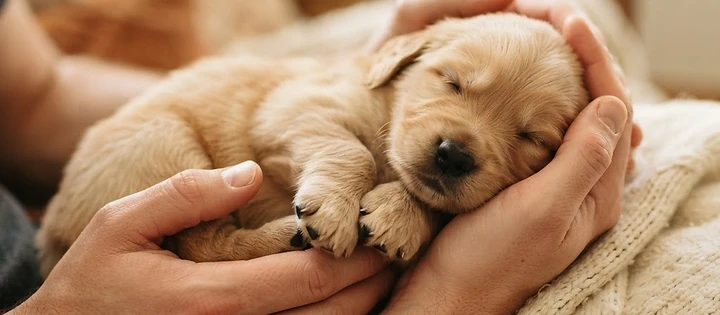
The first year sets the tone for your entire relationship. Here is why it matters so much and how to make the most of this critical time with your new dog.
The Foundation of a Lifelong Bond
The first year with your adopted dog is the most important year of your relationship. It is the year that sets the tone, builds the bond, and establishes the patterns that will shape your life together for years to come.
Understanding why the first year matters so much, and how to make the most of it, helps you build a strong foundation for a happy, healthy life with your dog.
Why the First Year Matters
Building Trust
The first year is when trust is built. If your dog is a rescue, they may have had experiences that make trust hard. If your dog is a puppy, they are learning to trust you from scratch. The trust built in the first year is the foundation of the entire relationship.
Establishing Routines
The routines you establish in the first year become the routines of your life together. Feeding, walking, training, bedtime, and alone time all become patterns that provide security and predictability for your dog.
Training Foundations
The training you do in the first year lays the foundation for all future training. Basic commands, leash walking, house training, and socialization all begin in this year. A strong foundation makes everything that follows easier.
Socialization
For puppies, the first year includes the critical socialization period. For adult dogs, the first year is when they are introduced to their new world. The socialization that happens in this year shapes the dog's confidence and adaptability for life.
Health Care Foundations
The first year is when you establish your dog's health care routine: vet visits, vaccinations, preventive care, and spay or neuter if needed. These foundations support your dog's health for life.
Bond Formation
The bond you form in the first year is the foundation of your relationship. The time, care, and love you invest in this year pay off in a deep, strong bond that lasts for life.
Behavior Patterns
The behavior patterns that are established in the first year, both good and bad, tend to persist. Investing in good patterns in the first year prevents problems that are hard to fix later.
Understanding Each Other
The first year is when you and your dog learn to understand each other. You learn your dog's signals, needs, and personality. Your dog learns your routines, expectations, and way of communicating. This mutual understanding is the basis of a successful relationship.
The Phases of the First Year
The First Weeks: Decompression and Adjustment
The first weeks are about decompression and adjustment. Your dog is learning their new environment, and you are learning your dog. This is a time of patience, calm, and gentle establishment of routines.
The First Months: Settling In
Over the first months, your dog settles in. They become more comfortable, show more of their personality, and begin to bond with you. This is a time of building trust and establishing routines.
The Middle Months: Growth and Training
The middle months are a time of growth and training. Your dog is more settled and ready to learn. This is a good time to focus on training, socialization, and building the bond.
The Later Months: Deepening
By the later months, the bond is deepening, routines are established, and you and your dog are becoming a team. This is a time of enjoying the relationship you have built and continuing to invest in it.
The End of the First Year: A Strong Foundation
By the end of the first year, you and your dog have built a strong foundation. The trust, routines, training, and bond you have established will support your relationship for years to come.
How to Make the Most of the First Year
Be Patient
Patience is the most important quality in the first year. Your dog is adjusting, learning, and growing. Patience helps them feel safe and supports their development.
Be Consistent
Consistency builds trust and security. Be consistent in your routines, your rules, and your expectations. This consistency helps your dog understand their world and feel safe in it.
Invest in Training
Invest time and effort in training. Basic commands, leash walking, and house training are the foundation of a well-behaved dog. Consider working with a positive-reinforcement trainer.
Socialize Thoughtfully
Socialize your dog thoughtfully. For puppies, expose them to a wide variety of people, places, and experiences during the critical period. For adult dogs, introduce new experiences at their pace.
Establish Health Care
Establish a relationship with a veterinarian and a routine of preventive care. This supports your dog's health for life.
Build the Bond
Invest in building the bond. Spend time with your dog, play with them, train them, and just be together. The bond you build in the first year is the foundation of your relationship.
Provide Exercise and Mental Stimulation
Provide daily exercise and mental stimulation. This keeps your dog healthy, happy, and well-adjusted. A tired dog is a good dog, and mental stimulation is as important as physical exercise.
Create a Safe Space
Create a safe space for your dog, such as a crate or a quiet corner. This space is their retreat, a place where they can feel safe and secure.
Address Problems Early
If behavioral or health problems arise, address them early. Problems are easier to fix when they are new than when they are established. Do not wait and hope they go away.
Celebrate Milestones
Celebrate the milestones of the first year: the first successful vet visit, the first training class, the first birthday, the first anniversary of adoption. These celebrations honor the journey you are on together.
Take Photos and Keep Records
Take photos and keep records of the first year. These become treasured memories and help you see the progress you have made.
Seek Support
If you need support, seek it. Talk to your breeder, your vet, a trainer, or other dog owners. You do not have to navigate the first year alone.
Common Challenges in the First Year
House Training
House training is a common challenge, especially with puppies. Be patient, consistent, and use positive reinforcement. Most dogs learn with time and consistency.
Chewing and Destructive Behavior
Puppies and some rescue dogs may chew or be destructive. Provide appropriate chew toys, exercise, and supervision. This phase passes with training and maturity.
Separation Anxiety
Some dogs develop separation anxiety in the first year. Gradually accustom your dog to being alone, and seek professional help if the anxiety is severe.
Behavioral Issues
Behavioral issues, like jumping, barking, or leash pulling, are common in the first year. Address them with positive-reinforcement training. Early intervention prevents long-term problems.
Health Issues
Health issues may arise in the first year. Work with your vet to address them and to establish a preventive care routine.
Adjustment Issues
If your dog is a rescue, they may have adjustment issues. Be patient, provide consistency and love, and seek professional help if needed. Most dogs adjust with time and support.
The Rewards of a Well-Invested First Year
A Strong Bond
The bond you build in the first year is the foundation of a lifelong relationship. A strong bond makes everything that follows easier and more rewarding.
A Well-Behaved Dog
The training and routines you establish in the first year produce a well-behaved dog who is a joy to live with.
A Confident, Well-Adjusted Dog
The socialization and care you provide in the first year produce a confident, well-adjusted dog who enjoys life.
A Healthy Dog
The health care you establish in the first year supports your dog's health for life.
A Deep Understanding
The understanding you develop in the first year, of your dog and of yourself as a dog owner, supports your relationship for years to come.
A Joyful Life Together
All of these rewards add up to a joyful life together. The effort you invest in the first year pays off in years of love, companionship, and joy.
The Bottom Line
The first year with your adopted dog is the most important year of your relationship. It is the year that builds trust, establishes routines, lays the training foundation, socializes the dog, establishes health care, and forms the bond that will shape your life together.
Invest in the first year. Be patient, be consistent, train, socialize, build the bond, and address problems early. The effort you invest pays off in a strong, happy, healthy relationship that lasts for the life of your dog and beyond.
The first year is a gift. It is a time of getting to know each other, of building a foundation, and of falling in love with your dog. Savor it, invest in it, and know that the foundation you build will support a relationship that enriches your life for years to come.