Benefits of Adoption
Why Spaying and Neutering Matters After Adoption
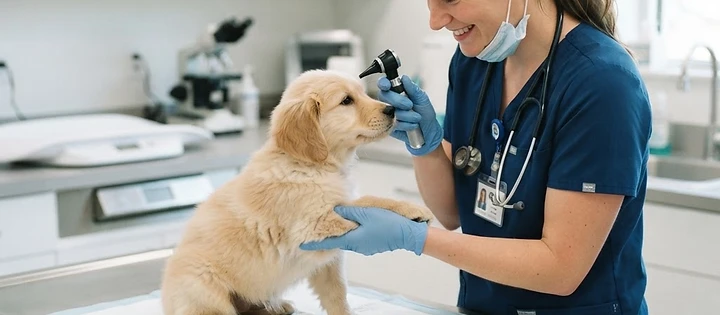
Spaying and neutering is one of the most responsible choices an adopter can make. Here is how it benefits your dog, your family, and the community.
A Responsible Choice
Spaying or neutering your dog is one of the most important decisions you make after adoption. It benefits your dog's health, supports your family's peace of mind, and helps address the broader issue of pet overpopulation.
Understanding the facts helps you make an informed, confident decision.
What Spaying and Neutering Mean
Spaying
Spaying is the surgical removal of a female dog's reproductive organs. This prevents her from going into heat and from becoming pregnant.
Neutering
Neutering is the surgical removal of a male dog's testicles. This prevents him from siring puppies and reduces behaviors driven by male hormones.
Both procedures are routine surgeries performed by veterinarians, typically with a quick recovery.
Health Benefits for Your Dog
For Females
- Reduced Risk of Mammary Cancer: Spaying before the first heat dramatically reduces the risk of mammary cancer, which is often malignant.
- Prevention of Pyometra: Spaying eliminates the risk of pyometra, a life-threatening uterine infection that affects many unspayed females.
- No Risk of Ovarian or Uterine Cancer: These organs are removed during spaying, eliminating the risk of cancer in them.
For Males
- Prevention of Testicular Cancer: Neutering removes the testicles, eliminating the risk of testicular cancer.
- Reduced Risk of Prostate Problems: Neutering reduces the risk of prostate enlargement and infection, which are common in intact males.
- Reduced Risk of Perianal Tumors: Neutering lowers the risk of certain tumors around the anus.
Behavioral Benefits
For Males
- Less Roaming: Intact males often roam in search of females, which leads to fights, injuries, and being hit by cars. Neutering reduces this drive.
- Less Marking: Neutered males are less likely to urine-mark in the home.
- Less Aggression: Neutering can reduce aggression toward other males, though training and socialization remain essential.
- Less Mounting: Neutering reduces mounting behavior, which can be embarrassing and disruptive.
For Females
- No Heat Cycles: Spayed females do not go into heat, which means no bleeding, no behavioral changes, and no attraction of male dogs.
- More Stable Temperament: Without the hormonal fluctuations of heat cycles, spayed females often have more consistent temperaments.
Benefits for Your Family
Peace of Mind
A spayed or neutered dog is not going to contribute to an unplanned litter. You do not have to worry about your dog escaping and producing puppies, or about managing a female in heat.
Easier to Live With
Spayed and neutered dogs are often easier to live with. They are less driven by hormones, less likely to roam or mark, and more focused on their family.
Lower Costs
The one-time cost of spaying or neutering is far less than the cost of caring for a litter of puppies or treating health problems that are more common in intact dogs.
Benefits for the Community
Reducing Overpopulation
Millions of dogs enter shelters each year, and many are euthanized because there are not enough homes. Spaying and neutering directly reduces the number of unwanted dogs, which saves lives.
Fewer Strays
Intact dogs who roam contribute to the population of stray and feral dogs. Spaying and neutering reduce this population, which benefits communities and the dogs themselves.
Less Burden on Shelters
Every dog who is not born into an unplanned litter is one fewer dog who may end up in a shelter. Spaying and neutering reduce the burden on shelters and rescue organizations.
When to Spay or Neuter
The timing of spaying or neutering depends on your dog's breed, size, and health. Your veterinarian is the best guide for your individual dog.
General Guidelines
- Small Breeds: Often spayed or neutered around 6 to 9 months
- Large Breeds: Some vets recommend waiting until 12 to 18 months to allow full growth
- Rescue Dogs: Often spayed or neutered before adoption, or shortly after
Your vet will help you choose the right timing based on your dog's needs.
Common Myths
My Dog Will Get Fat
Spaying and neutering can slightly reduce metabolism, but weight gain is caused by overfeeding and under-exercising, not by the surgery itself. With proper diet and exercise, your dog will stay fit.
My Dog's Personality Will Change
Spaying and neutering may reduce hormone-driven behaviors, but they do not change your dog's fundamental personality. Your dog will still be the same lovable companion.
It Is Too Expensive
The cost of spaying or neutering is far less than the cost of caring for a litter or treating health problems common in intact dogs. Many communities also offer low-cost spay and neuter programs.
My Dog Should Have One Litter First
There is no health benefit to having a litter before spaying. In fact, spaying before the first heat provides the greatest health benefits.
What to Expect From the Surgery
Before
Your vet will give you instructions, which may include fasting your dog the night before.
During
The surgery is performed under general anesthesia. Your vet monitors your dog throughout.
After
Most dogs go home the same day. You will need to keep your dog calm for a few days, prevent licking of the incision, and watch for any signs of complications.
Recovery
Most dogs recover fully within 10 to 14 days. Your vet will schedule a follow-up to ensure healing is complete.
How to Decide
Talk with your veterinarian about the right timing and approach for your dog. For most families, spaying or neutering is a clear choice that benefits the dog, the family, and the community.
If you have concerns, discuss them with your vet. They can address your questions and help you make the decision that is right for your dog and your family.
A Choice That Makes a Difference
Spaying or neutering your dog is a simple act with far-reaching effects. It protects your dog's health, makes your life together easier, and helps reduce the number of dogs who suffer without homes.
When you adopt a dog, you take responsibility for their well-being and for their impact on the world. Spaying and neutering is one of the most meaningful ways to honor that responsibility.