Ethical Breeding
Why Ethical Breeders Screen Adopters Carefully
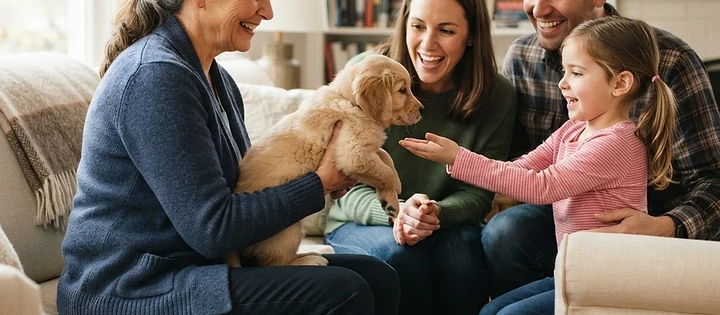
A breeder who asks you lots of questions is not being nosy. They are being responsible. Here is why adopter screening protects puppies and families alike.
A Sign of Responsibility
When a breeder asks you detailed questions about your home, your lifestyle, and your experience with dogs, it can feel like an interrogation. But this screening is one of the clearest signs of an ethical breeder.
A breeder who asks questions is a breeder who cares about where their puppies end up. They want to ensure each puppy goes to the right home, with a family prepared for the commitment. This protects the puppy, the family, and the breeder.
Why Ethical Breeders Screen Adopters
To Ensure a Good Match
Not every puppy is right for every family. A high-energy breed may not suit a sedentary household. A small, fragile puppy may not be safe in a home with very young children. A breeder who knows their puppies can match each one with the right family.
To Prepare the Family
Screening helps the breeder understand what you know and what you may need to learn. They can provide guidance specific to your situation, which helps you prepare for your puppy and succeed.
To Prevent Surrenders
Many dogs end up in shelters because families were unprepared for the commitment. Screening helps identify families who may not be ready, before a puppy is placed, which prevents future surrenders.
To Protect the Puppy
A puppy is a vulnerable being who depends on their family for everything. A breeder who screens adopters is ensuring their puppy goes to a safe, loving, prepared home.
To Protect the Breed
Ethical breeders are stewards of their breed. They want their puppies to represent the breed well, which means placing them in homes that understand and appreciate the breed's characteristics.
To Build a Relationship
Screening is the beginning of a relationship between breeder and adopter. The breeder learns about you, you learn about them, and a foundation of trust is established that will support you both for the life of the dog.
What Ethical Breeders Ask
About Your Home
- Do you own or rent? If you rent, does your lease allow dogs?
- Do you have a fenced yard?
- Who else lives in your home?
- Do you have other pets?
About Your Lifestyle
- How much time do you spend at home?
- How active are you?
- What is your daily routine like?
- Do you travel frequently?
About Your Experience
- Have you owned dogs before?
- What happened to your previous dogs?
- Have you researched this breed?
- Are you prepared for the training, exercise, and grooming this breed needs?
About Your Commitment
- Are you prepared for a 10 to 15 year commitment?
- What will you do if you can no longer keep the dog?
- Are you prepared for the cost of veterinary care?
- Who will care for the dog when you are away?
About Your Plans
- What are your plans for training and socialization?
- Do you plan to spay or neuter?
- What are your expectations for this puppy?
How to Respond to Screening
Be Honest
Answer every question honestly. The goal is a good match, and honesty ensures that the match is real. If you are a first-time owner, say so. If you work long hours, explain your plan for care. Honesty helps the breeder help you.
Be Patient
Screening takes time. Do not rush the process or feel offended by the questions. A breeder who takes time to screen is a breeder who cares.
Ask Your Own Questions
Screening is a two-way conversation. Ask the breeder about their practices, their dogs, and their support. A good breeder welcomes your questions as eagerly as they ask their own.
Show Your Preparation
Demonstrate that you have done your research. Talk about the breed, your plans for training, and your understanding of the commitment. This shows the breeder you are serious.
Red Flags in the Other Direction
No Questions Asked
A breeder who asks no questions is not screening. They are selling to anyone, which means they are not prioritizing the puppy's welfare.
Pressure to Buy Quickly
A breeder who pressures you to decide immediately is not giving you time to make a thoughtful choice. This is a sign of a breeder who wants a sale, not a good match.
No Interest in Your Home
A breeder who does not care about your home, lifestyle, or experience is not invested in the puppy's future.
No Follow-Up
A breeder who has no interest in staying in touch after the sale is not offering lifelong support.
Why Screening Benefits You
You Get the Right Puppy
A breeder who screens knows their puppies. They can match you with the puppy whose temperament, energy level, and personality fit your life. This means a better experience for you and for the puppy.
You Get Preparation and Support
Through the screening process, the breeder learns what you need to know. They can provide guidance, resources, and support that help you succeed.
You Build a Relationship
Screening is the start of a relationship with a breeder who will be there for you for the life of your dog. This relationship is invaluable.
You Avoid Mismatches
A mismatch between puppy and family leads to frustration for both. Screening prevents mismatches, which protects you from a difficult experience and protects the puppy from an unsuitable home.
The Bottom Line
When a breeder asks you lots of questions, they are not being difficult. They are being responsible. They are ensuring their puppy goes to the right home, with a family who is prepared and committed.
This screening protects you, the puppy, and the breeder. It is one of the clearest signs of an ethical breeding program. Welcome the questions, answer honestly, and know that a breeder who screens is a breeder who cares.