Ethical Breeding
Why Ethical Breeders Prioritize Temperament Testing in Their Dogs
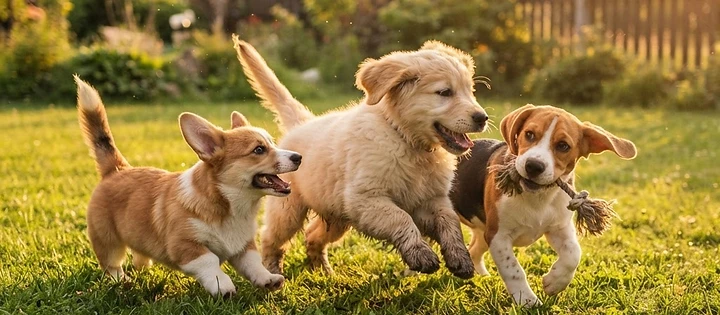
Temperament is what makes a dog a joy to live with. Here is how ethical breeders evaluate and select for temperament, and why it matters for the families who adopt.
Temperament Is the Heart of a Dog
A dog's temperament, their personality, their way of responding to the world, is the heart of who they are. It is what makes a dog a joy to live with or a challenge. It is what determines whether a dog is confident or fearful, friendly or aloof, calm or excitable.
Ethical breeders understand that temperament is as important as health, and they prioritize temperament testing and selection in their breeding programs. This commitment is one of the reasons puppies from ethical breeders make such wonderful companions.
What Temperament Is
The Foundation of Personality
Temperament is the foundation of a dog's personality. It is the set of traits that determine how the dog responds to people, other animals, and the world. Temperament is partly genetic and partly shaped by early experiences.
Key Temperament Traits
- Confidence: How the dog responds to new situations and challenges
- Sociability: How the dog responds to people and other animals
- Stability: How the dog handles stress and change
- Energy Level: How active and excitable the dog is
- Trainability: How readily the dog learns and responds to training
- Sensitivity: How the dog responds to handling, correction, and environment
Temperament vs. Behavior
Temperament is the underlying tendency. Behavior is what the dog actually does, which is shaped by temperament, training, and experience. A dog with a confident temperament may still develop behavior problems if poorly trained, and a dog with a shy temperament may become confident with proper socialization.
Why Temperament Matters
For the Family
Temperament determines whether a dog is a good fit for a family. A confident, sociable dog is a joy in a busy household. A calm, sensitive dog may be perfect for a quiet home. Matching temperament to lifestyle is essential for a successful adoption.
For the Dog's Well-Being
A dog with a stable, confident temperament is happier and less stressed. They navigate the world with ease, handle new experiences well, and enjoy life. A dog with an unstable temperament may be anxious, fearful, or reactive, which reduces their quality of life.
For the Breed's Reputation
The temperament of the dogs in a breed shapes the breed's reputation. Breeds known for stable, friendly temperaments are welcomed in communities. Breeds with a reputation for instability may face restrictions and prejudice.
For Public Safety
An unstable temperament can be a safety risk. Dogs with unstable temperaments are more likely to bite, especially in stressful situations. Breeding for stable temperaments protects public safety.
For the Bond
The temperament of the dog shapes the bond with the family. A dog with a compatible temperament is easy to love and live with. A dog with an incompatible temperament may create stress and conflict, which can damage the bond.
How Ethical Breeders Evaluate Temperament
Observing the Parents
The parents' temperaments are a strong indicator of the puppies' temperaments. Ethical breeders evaluate their breeding dogs' temperaments carefully and only breed dogs with stable, appropriate temperaments.
Temperament Testing
Many ethical breeders use formal temperament tests to evaluate their dogs. These tests assess the dog's responses to various situations, such as meeting strangers, handling, loud noises, and new environments.
Volhard Puppy Aptitude Test
The Volhard Puppy Aptitude Test is a common tool for evaluating puppies. It tests responses to social attraction, following, restraint, social dominance, elevation, retrieving, touch sensitivity, sound sensitivity, sight sensitivity, and stability. The results help identify puppies' temperaments and match them to appropriate homes.
Observation Over Time
Ethical breeders observe their dogs' temperaments over time, in a variety of situations. This long-term observation provides a deeper understanding than a single test.
Input From Others
Ethical breeders may seek input from trainers, handlers, or other breeders who have interacted with their dogs. This outside perspective adds valuable information.
Tracking Temperament in Lines
Ethical breeders track temperament in their lines over generations. They know which dogs have produced puppies with excellent temperaments and which have not. This information guides future breeding decisions.
How Ethical Breeders Select for Temperament
Breeding Stable, Confident Dogs
The foundation of selecting for temperament is breeding only dogs with stable, confident temperaments. A dog with an unstable temperament, no matter how beautiful or accomplished, is not bred.
Considering Both Parents
Both parents contribute to the puppies' temperaments. Ethical breeders consider the temperaments of both the sire and the dam, and how they might complement each other.
Avoiding Extreme Temperaments
Some breeds have been bred for extreme temperaments, which can cause problems. Ethical breeders avoid extremes and aim for balanced, stable temperaments that fit the breed's purpose.
Prioritizing Temperament Over Appearance
If a dog has excellent appearance but a poor temperament, an ethical breeder does not breed that dog. Temperament is prioritized over appearance, because temperament has a bigger impact on the dog's life and the family's experience.
Considering the Breed's Purpose
The breed's original purpose shapes the ideal temperament. A herding breed should have the temperament for herding. A companion breed should have the temperament for companionship. Ethical breeders consider the breed's purpose when selecting for temperament.
How Ethical Breeders Nurture Temperament
Early Socialization
Temperament is partly genetic, but early socialization is crucial. Ethical breeders socialize their puppies from birth, exposing them to a variety of people, sounds, surfaces, and experiences in a positive way.
Handling
Regular, gentle handling from birth helps puppies develop confidence and comfort with human contact. This is the foundation of a dog who is comfortable with handling throughout life.
Environmental Enrichment
Providing a rich environment, with toys, obstacles, and new experiences, helps puppies develop confidence and curiosity. This enrichment supports the development of a stable, adaptable temperament.
Individual Attention
Ethical breeders give each puppy individual attention, which helps them develop confidence and trust in people. This individual attention is crucial for developing well-adjusted temperaments.
Matching Puppies to Homes
Ethical breeders evaluate each puppy's temperament and match them to appropriate homes. A confident, active puppy goes to an active family. A calmer, more sensitive puppy goes to a quieter home. This matching is essential for successful adoptions.
The Role of the Adopter
Continue Socialization
The adopter's role is to continue the socialization the breeder started. Expose the puppy to a variety of people, places, and experiences in a positive way, especially during the critical socialization period.
Use Positive Reinforcement
Use positive reinforcement training. This builds confidence, strengthens the bond, and supports the development of a stable temperament.
Provide Consistent Leadership
Provide consistent, calm leadership. This helps the dog feel secure and supports the development of a confident, stable temperament.
Be Patient
Temperament develops over time. Be patient with your puppy, provide consistent guidance, and trust that the temperament the breeder nurtured will blossom with your care.
Stay in Touch With the Breeder
Stay in touch with the breeder. They know the puppy's lines and can offer guidance on temperament and behavior. Their insight is invaluable.
The Contrast With Unethical Breeders
No Temperament Selection
Puppy mills and backyard breeders do not select for temperament. They breed whatever dogs they have, regardless of temperament. The result is puppies with unpredictable, sometimes unstable temperaments.
No Socialization
Dogs in puppy mills receive no socialization. Puppies are raised in isolation, without exposure to the people, sounds, and experiences that develop a stable temperament. The result is puppies who are fearful, anxious, or poorly adjusted.
No Testing
Unethical breeders do not temperament test their dogs or their puppies. They have no understanding of the temperaments they are producing.
No Matching
Unethical breeders do not match puppies to homes. Puppies are sold to whoever pays, regardless of whether the temperament is a good fit for the family. The result is mismatches and failed adoptions.
The Bottom Line
Temperament is the heart of a dog, and ethical breeders prioritize temperament testing and selection in their breeding programs. Through evaluating the parents, temperament testing, observing over time, and selecting only stable, confident dogs, they produce puppies with excellent temperaments.
Through early socialization, handling, environmental enrichment, and matching puppies to appropriate homes, they nurture those temperaments and set puppies up for success.
When you choose an ethical breeder, you bring home a puppy whose temperament has been carefully considered and nurtured. This is one of the most valuable things an ethical breeder provides, and it is a key reason why puppies from ethical breeders make such wonderful, well-adjusted companions.