Ethical Breeding
Why Ethical Breeders Focus on Temperament, Not Just Appearance
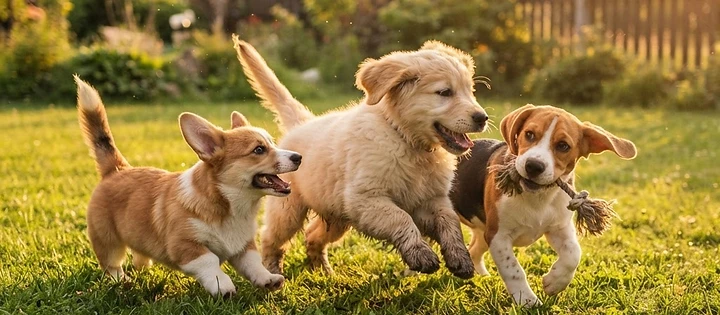
A beautiful dog with a poor temperament is not a success. Here is why ethical breeders prioritize temperament and what it means for the puppy you bring home.
Temperament Is Everything
When people imagine their ideal dog, they often picture a specific look: a certain size, color, or coat type. But the quality of your life with a dog is determined far more by temperament than by appearance.
A beautiful dog with an unstable temperament is a challenge to live with. A plain-looking dog with a wonderful temperament is a joy. Ethical breeders understand this and prioritize temperament in their breeding decisions, sometimes above appearance.
What Temperament Means
Temperament is the combination of traits that defines a dog's personality and behavior. It includes:
- Confidence: How the dog responds to new situations and challenges
- Sociability: How the dog relates to people and other animals
- Stability: How the dog handles stress, surprises, and changes
- Trainability: How easily the dog learns and cooperates
- Energy Level: How active and excitable the dog is
- Sensitivity: How the dog responds to handling, correction, and environment
- Aggression or Lack Thereof: Whether the dog is prone to aggression or is gentle and safe
Temperament is partly genetic and partly shaped by environment and experience. A breeder can influence the genetic component through careful selection of breeding dogs.
Why Temperament Matters More Than Appearance
You Live With Personality, Not Looks
You will spend 10 to 15 years with your dog's personality. You will spend far less time looking at them. A dog with a great temperament is a pleasure to live with, regardless of how they look.
Temperament Affects the Whole Family
A dog with a poor temperament can strain a family. Aggression, anxiety, or instability affect everyone in the home. A dog with a wonderful temperament enriches every family member's life.
Temperament Affects Training and Socialization
A dog with a good temperament is easier to train and socialize. A dog with a poor temperament may struggle with basic training and may never be fully reliable in public or with strangers.
Temperament Affects Safety
A dog with an unstable temperament can be a safety risk. Aggression or fear-based biting can injure people and other animals. A stable, gentle temperament is essential for a safe family companion.
Temperament Is Harder to Change Than Appearance
You can groom a dog, trim their coat, or manage their weight. You cannot easily change their temperament. A dog's temperament is largely set by genetics and early experience, which is why breeder selection matters so much.
How Ethical Breeders Select for Temperament
Evaluating Breeding Dogs
Ethical breeders evaluate the temperament of their breeding dogs before breeding them. Dogs with aggressive, overly fearful, or unstable temperaments are not bred, no matter how beautiful they are.
Considering Both Parents
Temperament is influenced by both parents. Ethical breeders consider the temperament of both the mother and the father, and how their temperaments might combine in their puppies.
Looking at Multiple Generations
Temperament runs in lines. Ethical breeders look at the temperaments of parents, grandparents, and other relatives to understand what a breeding might produce.
Prioritizing Stability
Ethical breeders prioritize stability over extremes. A dog who is extremely timid or extremely aggressive is not bred. A dog who is stable, confident, and friendly is a good candidate.
Matching to Breed Standard
Each breed has a temperament standard. Ethical breeders breed for the temperament that is appropriate for the breed, whether that is calm and steady, energetic and driven, or gentle and friendly.
How Temperament Is Evaluated
Observation
Breeders observe their dogs in many situations: at home, with strangers, with other dogs, in new environments. This observation reveals temperament over time.
Temperament Testing
Some breeders use formal temperament tests to evaluate breeding dogs. These tests assess reactions to strangers, noises, handling, and other stimuli.
Feedback From Adopters
Ethical breeders stay in touch with adopters and learn about the temperaments of the puppies they produce. This feedback helps them understand what their pairings produce and make better decisions in the future.
Working With Mentors
Many ethical breeders work with mentors who have decades of experience with the breed and can help evaluate temperament.
How to Ask a Breeder About Temperament
- How do you evaluate temperament in your breeding dogs?
- What temperament traits do you breed for?
- What is the temperament of this puppy's parents?
- Can you describe the temperaments of puppies you have produced in the past?
- How do you match puppies with families based on temperament?
A responsible breeder will answer these questions with depth and specificity.
What to Listen For
Good answers include specifics:
- We evaluate our breeding dogs in many situations and only breed those with stable, confident temperaments
- We breed for a friendly, adaptable temperament that suits families
- The father of this litter is calm and gentle, and the mother is confident and sociable
- Our previous puppies have become therapy dogs, family pets, and obedience competitors
- We evaluate each puppy's temperament and match them with the right family
Vague answers are a warning sign:
- Our dogs have good temperaments
- They are friendly
- They are good with kids
Without specifics, these claims mean little.
The Role of Socialization
Temperament is partly genetic, but it is also shaped by early socialization. Even a puppy with excellent genetic temperament needs proper socialization to develop into a confident, well-adjusted adult.
Ethical breeders understand this and provide extensive early socialization. They also educate adopters about the importance of continuing socialization after the puppy goes home.
A great temperament is the result of good genetics and good socialization. An ethical breeder provides both.
The Bottom Line
Temperament is the most important factor in the quality of your life with a dog. A beautiful dog with a poor temperament is a disappointment. A plain dog with a wonderful temperament is a treasure.
Ethical breeders understand this and prioritize temperament in their breeding decisions. When you choose a breeder who values temperament, you are more likely to bring home a dog who is a joy to live with, safe, trainable, and well-suited to your family.
Ask about temperament, and choose a breeder who breeds for the qualities that matter most.