Benefits of Adoption
Why Adopting a Dog Is a Family Decision, Not an Individual One
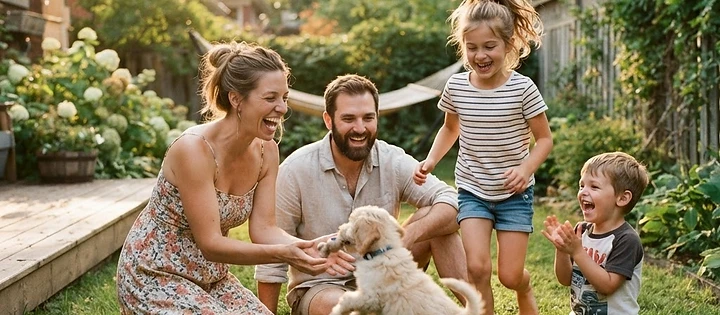
A dog affects everyone in the household. Here is why adoption should be a shared family decision and how to involve every family member in the process.
A Dog Changes a Household
A dog is not a personal possession. They are a member of the family who affects everyone in the household. The daily routines, the responsibilities, the expenses, and the joys of a dog are shared by all.
This is why adopting a dog should be a family decision, not an individual one. When everyone is involved in the decision and the commitment, the adoption is more likely to succeed, and the dog is more likely to thrive.
Why Family Involvement Matters
Shared Responsibility
A dog needs care every day, and that care is best shared. When everyone in the family participates in the decision, they are more likely to share the responsibility, which prevents burnout and ensures the dog is well-cared-for.
Shared Commitment
A dog is a 10 to 15 year commitment. When the whole family is committed, the dog is cared for through all of life's changes. When only one person is committed, the dog may be neglected if that person becomes busy, sick, or unavailable.
Shared Benefits
The benefits of a dog, the love, the joy, the companionship, are shared by the whole family. When everyone is involved in the decision, everyone shares in the benefits, which strengthens the family bond.
Consistent Rules
Dogs need consistent rules and expectations. When the whole family agrees on the rules before the dog arrives, the dog receives consistent guidance, which makes training easier and prevents confusion.
Preparation
Every family member needs to be prepared for the dog's arrival. Involving everyone in the preparation ensures that the home is ready, that everyone understands their role, and that the transition is smooth.
Reducing the Risk of Surrender
Many dogs are surrendered because one family member wanted the dog and others did not. When the whole family is involved in the decision, the risk of surrender is reduced.
How to Involve the Whole Family
Discuss the Decision Together
Have a family meeting to discuss the possibility of adopting a dog. Talk about why you want a dog, what it will mean for the family, and whether everyone is on board.
Discuss the Responsibilities
Talk about who will be responsible for what. Feeding, walking, training, grooming, and veterinary care all need to be assigned. Be realistic about who can do what, especially with children.
Discuss the Costs
Talk about the financial commitment. Food, veterinary care, supplies, grooming, and boarding all cost money. Make sure the family is prepared for these costs.
Discuss the Lifestyle Changes
A dog changes the family's lifestyle. There are daily walks, training sessions, and the need to arrange care when the family is away. Make sure everyone understands and accepts these changes.
Research Breeds Together
Involve the whole family in researching breeds. Discuss what breeds fit your lifestyle, what temperaments would be good for your family, and what size and energy level make sense.
Visit Dogs Together
If possible, visit breeders or rescues together. Let everyone meet the dogs and participate in the choice. This builds shared investment in the decision.
Prepare the Home Together
Involve everyone in preparing the home. Let children help choose a bed, toys, and supplies. This builds excitement and a sense of ownership.
Agree on Rules
Before the dog arrives, agree on rules as a family. Will the dog be allowed on furniture? Where will they sleep? Who is responsible for what? Consistency from the start prevents confusion.
How to Involve Children
Age-Appropriate Responsibilities
Give children responsibilities that are appropriate for their age. Young children can help with feeding and brushing; older children can help with walking and training.
Teach Gentle Interaction
Before the dog arrives, teach children how to approach, pet, and play gently. Show them how to respect the dog's space and read signs of stress.
Set Expectations
Be honest with children about what having a dog is really like. It is not all play; there are responsibilities, challenges, and hard work. Setting realistic expectations prevents disappointment.
Include Them in Training
Involve children in training sessions, with supervision. This builds their confidence, strengthens their bond with the dog, and reinforces consistent rules.
Acknowledge Their Role
Acknowledge and praise children for their contributions to the dog's care. This builds their sense of responsibility and their bond with the dog.
What to Do If a Family Member Is Not Sure
Listen to Their Concerns
If a family member is not sure about adopting a dog, listen to their concerns. They may have valid worries about time, cost, or responsibility.
Address the Concerns
Work together to address the concerns. Can responsibilities be shared differently? Can costs be managed? Can the concerns be resolved through planning?
Do Not Rush
Do not rush the decision. If a family member is not sure, give them time. A dog is a big commitment, and everyone should be comfortable before moving forward.
Consider a Foster Period
Some rescues offer foster-to-adopt arrangements, which let you try having a dog before committing. This can help a hesitant family member see what it would be like.
Respect Their Decision
If a family member ultimately does not want a dog, respect their decision. Adopting a dog when someone in the household is opposed can create tension and may lead to the dog being surrendered.
The Benefits of a Family Decision
Stronger Commitment
When the whole family is committed, the dog is more likely to be cared for through all of life's changes. This long-term commitment is essential for the dog's well-being.
Shared Joy
The joy of a dog is multiplied when it is shared. Family walks, play sessions, and cuddle times become shared experiences that strengthen the family bond.
Learning Together
Raising a dog together is a learning experience for the whole family. Children learn responsibility, empathy, and patience. Adults model these values. The family grows together.
Better Match
When the whole family is involved in the decision, the dog is more likely to be a good match for the family's lifestyle, energy level, and needs.
Smoother Transition
When everyone is prepared and committed, the transition to life with a dog is smoother. The dog settles in faster, and the family adjusts more easily.
The Bottom Line
A dog is a family member, and the decision to adopt should be a family decision. When everyone is involved, the commitment is shared, the responsibilities are distributed, and the joys are multiplied.
If you are considering a dog, involve your whole family in the decision. Discuss the responsibilities, the costs, and the changes. Prepare together, agree on rules, and commit as a family.
When you do, you give your dog the best possible start in a home that is ready, willing, and able to care for them for life. And you give your family a shared experience that will bring you closer together for years to come.