Benefits of Adoption
The Role of Training in Strengthening the Bond With Your Adopted Dog
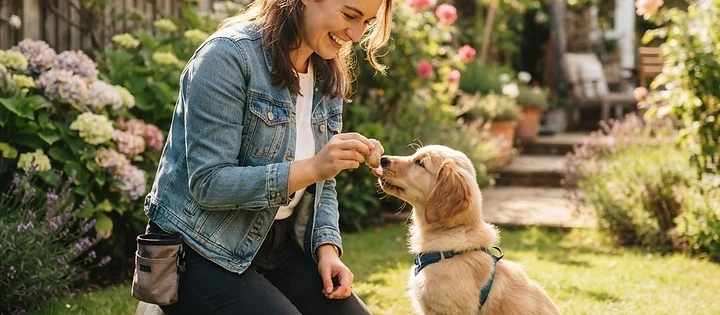
Training is not just about commands. It is a language you share with your dog. Here is how training deepens the bond and enriches your relationship.
More Than Commands
When people think of dog training, they often think of sit, stay, and come. But training is far more than a set of commands. It is a language you share with your dog, a way of communicating that builds trust, understanding, and a deep bond.
For an adopted dog, training is especially important. It helps them understand what is expected, builds their confidence, and creates a relationship based on clear communication and positive reinforcement.
How Training Builds the Bond
Communication
Training establishes a shared language. Your dog learns what your cues mean, and you learn how to communicate clearly. This communication reduces confusion and frustration for both of you and builds mutual understanding.
Trust
Positive reinforcement training builds trust. Your dog learns that you are a source of good things, that your cues are reliable, and that interacting with you is rewarding. This trust is the foundation of the bond.
Confidence
Training builds confidence in your dog. Each new behavior they master is a success, and success builds self-assurance. A confident dog is happier, more relaxed, and more connected to you.
Focus and Engagement
Training teaches your dog to focus on you and to engage with you. This focus carries into everyday life, making your dog more attentive and responsive, which strengthens the relationship.
Shared Activity
Training is a shared activity that you do together. This shared focus, effort, and success create a bond that goes beyond simple companionship.
Mental Stimulation
Training provides mental stimulation, which is essential for a dog's well-being. A mentally engaged dog is happier and more balanced, which supports a healthy relationship.
How to Train in a Way That Builds the Bond
Use Positive Reinforcement
Positive reinforcement is the most effective and humane training method. Reward desired behaviors with treats, praise, and play. This approach builds trust, confidence, and a positive association with training and with you.
Keep Sessions Short
Dogs have limited attention spans. Keep training sessions short, just 5 to 10 minutes, and do several throughout the day. This keeps training fun and prevents frustration.
Be Patient
Learning takes time. Be patient with your dog and with yourself. Progress may be slow, but consistency and patience produce lasting results.
Be Consistent
Consistency is essential. Use the same cues, the same rules, and the same expectations. Inconsistency confuses your dog and undermines the training and the bond.
End on a Positive Note
Always end training sessions on a positive note, with a success and a reward. This keeps training enjoyable and leaves your dog eager for the next session.
Make It Fun
Training should be fun for both of you. If it feels like a chore, your dog will sense it and disengage. Keep it light, playful, and rewarding.
Train in Different Environments
Once your dog knows a behavior at home, practice in different environments. This generalizes the behavior and shows your dog that the rules apply everywhere, which builds reliability.
What to Train First
Name Recognition
Teach your dog their name. Say the name and reward them for looking at you. This builds attention and is the foundation for all other training.
Sit
Sit is a foundational behavior that is useful in many situations. It is also easy to teach and gives your dog an early success.
Come
Come, or recall, is one of the most important behaviors to teach. A reliable recall keeps your dog safe and gives you confidence in a variety of situations.
Loose-Leash Walking
Teaching your dog to walk on a loose leash makes walks enjoyable for both of you. It also prevents pulling, which can be frustrating and even dangerous.
Stay
Stay is a useful behavior that helps your dog learn self-control. It is also a foundation for more advanced training.
Leave It
Leave it teaches your dog to ignore things they want, which is essential for safety and for preventing unwanted behaviors.
Training as a Lifelong Activity
Training does not stop after puppyhood or after your dog has learned the basics. It is a lifelong activity that keeps the bond strong and the mind engaged.
Keep Learning New Things
Teach your dog new tricks, new behaviors, and new skills throughout their life. This keeps training fresh and engaging and continues to build the bond.
Try Dog Sports
Consider trying dog sports like agility, obedience, rally, or nose work. These activities provide physical and mental exercise and are a wonderful way to deepen the bond.
Adapt Training as Your Dog Ages
As your dog ages, adapt your training. Older dogs may not be as physically able, but they can still learn and enjoy training. Adjust the activities to suit their needs.
Use Training in Everyday Life
Incorporate training into everyday life. Ask for a sit before meals, a stay before going through a door, or a recall in the yard. This keeps training relevant and reinforces the bond.
How Training Helps Rescue Dogs
For rescue dogs, training is especially valuable. Many rescue dogs have had inconsistent or negative experiences with training. Positive reinforcement training helps them:
- Build trust in humans
- Gain confidence through success
- Learn what is expected in their new home
- Bond with their new family
- Overcome behavioral issues from their past
The transformation that training can produce in a rescue dog is remarkable. A dog who was fearful or shut down can become confident and joyful through patient, positive training.
Common Training Mistakes to Avoid
Using Punishment
Punishment damages trust and can create fear and aggression. Use positive reinforcement instead. Reward what you want and ignore or redirect what you do not want.
Inconsistency
Inconsistency confuses your dog and undermines training. Be consistent in your cues, rules, and expectations.
Training When Frustrated
If you are frustrated, your dog will sense it and training will not be effective. Take a break and come back when you are calm.
Training Too Long
Long sessions lead to frustration and disengagement. Keep sessions short and fun.
Expecting Too Much Too Soon
Learning takes time. Set realistic expectations and celebrate small progress.
The Lifelong Gift of Training
The bond you build through training is a lifelong gift. It is a relationship based on communication, trust, and shared joy. It enriches your life and your dog's life for years to come.
When you train with patience, consistency, and positive reinforcement, you are not just teaching behaviors. You are building a relationship. And that relationship is one of the most rewarding parts of sharing your life with a dog.
The Bottom Line
Training is far more than commands. It is a language, a bond, and a relationship. Through positive reinforcement training, you build trust, confidence, and a deep connection with your adopted dog.
Whether your dog is a puppy or a rescue, training is one of the best things you can do for them and for your relationship. Start early, be patient, and make it fun. The bond you build through training will enrich your life and your dog's life for years to come.