Ethical Breeding
The Role of Patience in Both Ethical Breeding and Adoption
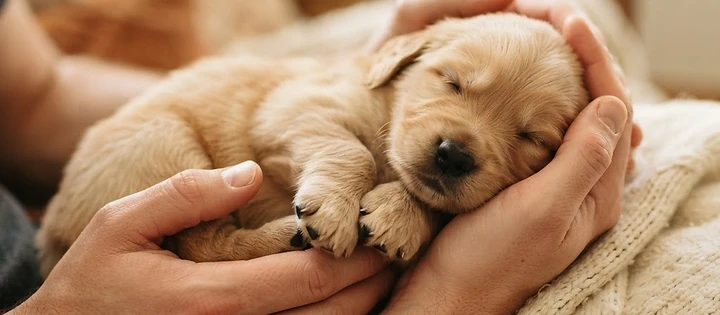
Patience is a virtue in the dog world. Here is why waiting, for the right breeder, the right puppy, or the right rescue dog, leads to better outcomes for everyone.
The Virtue of Patience
In a world that values speed and convenience, patience can feel like an old-fashioned virtue. But in the world of dogs, patience is essential. It is the foundation of ethical breeding, successful adoption, and a lifelong bond.
Understanding the role of patience helps you make better choices and leads to better outcomes for you and your dog.
Patience in Ethical Breeding
Waiting for the Right Time to Breed
An ethical breeder does not breed on a schedule. They wait for the right time, when the dog is healthy, mature, and ready. This patience protects the health of the mother and the quality of the puppies.
Waiting for the Right Pairing
An ethical breeder does not breed just to produce a litter. They wait for the right pairing, considering health, temperament, and genetic diversity. This patience may mean waiting years for the right match.
Waiting for Health Clearances
An ethical breeder waits for all health clearances before breeding. They do not breed a dog who has not been fully tested, even if it means delaying a planned litter. This patience ensures the health of the puppies.
Waiting for the Right Homes
An ethical breeder waits for the right homes for their puppies. They do not sell to just anyone. They screen adopters, maintain waiting lists, and sometimes hold puppies longer than expected to ensure the right match. This patience protects the puppies.
Patience With the Mother
An ethical breeder is patient with the mother, giving her time to recover between litters and not breeding her excessively. This patience protects her long-term health.
Patience With the Puppies
An ethical breeder is patient with the puppies, giving them time to grow, socialize, and develop before they go to new homes. They do not send puppies too early, even if families are eager. This patience gives the puppies the best start.
Patience in Choosing a Breeder
Taking Time to Research
Finding the right breeder takes time. You need to research breeds, learn about health testing, and understand what an ethical breeder looks like. This research is an investment that pays off in a better choice.
Visiting Multiple Breeders
Patience means visiting multiple breeders, asking lots of questions, and comparing your options. It is tempting to choose the first breeder you find, but taking time to compare leads to a better decision.
Waiting for the Right Litter
An ethical breeder may not have puppies available right away. You may need to wait for the right litter, which could take months. This patience is worth it, as it ensures you get a puppy from an ethical source.
Building a Relationship
Patience allows you to build a relationship with the breeder. Over time, through conversations and visits, you develop trust and confidence, which is the foundation of a good adoption experience.
Patience in Rescue Adoption
Waiting for the Right Dog
If you are adopting from a rescue, patience means waiting for the right dog. You may need to visit the shelter multiple times, meet several dogs, and wait for the right match. This patience ensures a successful adoption.
Being Patient With the Dog's History
Rescue dogs come with unknown histories. Patience means accepting that you may not know everything about your dog's past and being willing to work with whatever you discover.
Being Patient With the Adjustment
A rescue dog needs time to adjust. Patience means giving them that time, not expecting instant bonding, and being willing to work through challenges as they arise.
Patience in Bringing Your Dog Home
The First Days
The first days with a new dog require patience. Your dog is adjusting to a new world, and things may not go smoothly. Patience helps you stay calm and supportive during this transition.
Training
Training takes time. Patience means accepting that progress is gradual, that setbacks are normal, and that consistency and patience produce results. Rushing training leads to frustration for both you and your dog.
Socialization
Socialization is a gradual process. Patience means introducing your dog to new experiences at their pace, not forcing them, and celebrating small victories.
Building the Bond
The bond with your dog builds over time. Patience means not expecting instant connection, but trusting that the relationship will deepen with time, consistency, and love.
Patience Through the Dog's Life
The Puppy Phase
The puppy phase is rewarding but challenging. Patience helps you navigate house training, teething, adolescence, and the boundless energy of a young dog. This phase passes, and patience makes it easier.
The Adult Years
The adult years are more settled, but challenges still arise. Patience helps you work through behavioral issues, health concerns, and the normal ups and downs of life with a dog.
The Senior Years
The senior years require extra patience. Your dog slows down, may need more care, and faces the challenges of age. Patience helps you provide the comfort and support your senior dog deserves.
The Final Days
The final days of a dog's life require the deepest patience. Patience helps you provide comfort, make difficult decisions, and honor the bond you have built. This patience is a final gift to your dog.
The Rewards of Patience
A Better Match
Patience leads to a better match between you and your dog. You find the right dog from the right source, and you are prepared for the commitment. This match is the foundation of a successful relationship.
A Healthier Dog
Patience in choosing an ethical source leads to a healthier dog. You avoid the health and behavioral problems that come from unethical sources, and you give your dog the best possible start.
A Stronger Bond
Patience in the early days and throughout the relationship builds a stronger bond. The trust and understanding that come from patient, consistent care are the foundation of a lifelong connection.
A More Rewarding Experience
Patience makes the whole experience more rewarding. The anticipation, the preparation, the gradual deepening of the bond, all of these are enriched by patience. The journey is as meaningful as the destination.
How to Cultivate Patience
Focus on the Long Term
Keep the long-term view. A few months of waiting is nothing compared to 10 to 15 years with the right dog. Focusing on the long term helps you stay patient.
Trust the Process
Trust that the right dog is worth waiting for. The process, with all its steps and delays, is leading you to the dog who is meant to be yours.
Use the Time Wisely
Use the waiting time wisely: research, prepare, and learn. The time is not wasted; it is an investment in a successful adoption.
Seek Support
If you are struggling with patience, talk to friends, family, or fellow dog lovers. Sharing the journey with others makes it easier and more enjoyable.
Practice Patience in Other Areas
Practice patience in other areas of your life. The more you cultivate patience, the easier it becomes to apply it to the adoption journey.
The Bottom Line
Patience is a virtue in the dog world. It is the foundation of ethical breeding, successful adoption, and a lifelong bond. By being patient, in choosing a source, in bringing your dog home, and in building the relationship, you give yourself and your dog the best chance at a happy, healthy life together.
Do not rush. Trust the process, use the time wisely, and know that the right dog is worth waiting for. The patience you invest will be repaid many times over in the joy, love, and companionship of a dog who was meant to be yours.