Ethical Breeding
The Role of Genetic Diversity in Healthy Dog Breeding
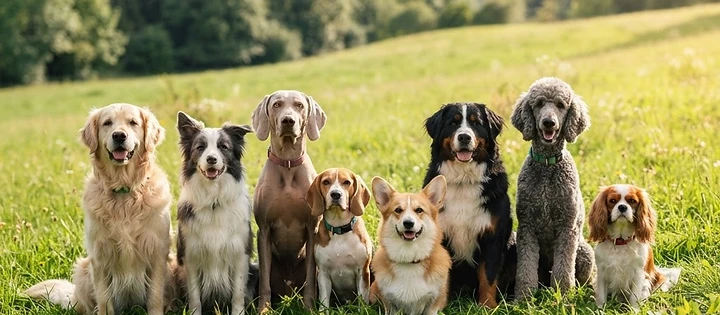
Genetic diversity is the invisible foundation of a healthy breed. Here is why it matters, how breeders preserve it, and what it means for the puppy you bring home.
What Is Genetic Diversity?
Genetic diversity refers to the variety of genes within a population of dogs. A genetically diverse population has many different versions of genes, which provides a buffer against disease and allows the population to adapt and thrive.
When diversity is low, the same genes appear over and over, including harmful recessive genes. This increases the risk of inherited diseases and reduces overall vitality. When diversity is high, harmful genes are less likely to pair up and cause disease.
Why Genetic Diversity Matters for Your Puppy
A puppy from a genetically diverse lineage is more likely to:
- Have a strong immune system
- Be free from inherited genetic diseases
- Have a longer, healthier life
- Show greater vitality and resilience
A puppy from a narrow, inbred lineage faces higher risks of genetic disorders, reduced fertility, and shortened lifespans.
How Breeders Preserve Genetic Diversity
Avoiding Inbreeding
Ethical breeders track the coefficient of inbreeding (COI) in their pairings. A lower COI means less relatedness between the parents, which reduces the risk of genetic disease. Many responsible breeders aim for a COI below a certain threshold, often 10 percent or lower over ten generations.
Outcrossing
Outcrossing is the practice of breeding dogs that are not closely related. This introduces new genes and increases diversity. Ethical breeders carefully plan outcrosses to maintain breed type while improving genetic health.
Using Diverse Bloodlines
Breeders who work with multiple bloodlines, rather than repeatedly breeding the same line, maintain more diversity. They may import dogs or work with breeders in other regions to broaden their gene pool.
Genetic Testing
Genetic testing helps breeders identify carriers of recessive diseases. By knowing which dogs carry which genes, they can make pairings that avoid producing affected puppies while still preserving valuable traits.
The Dangers of Popular Sire Syndrome
When a single popular male dog is used extensively for breeding, his genes flood the population. Within a few generations, many dogs share his genes, dramatically reducing diversity. This phenomenon, known as popular sire syndrome, has caused significant health problems in many breeds.
Ethical breeders limit how often any one dog is used and avoid over-relying on popular sires.
How to Assess Genetic Diversity as an Adopter
You may not be able to calculate a COI yourself, but you can ask your breeder:
- Do you track the coefficient of inbreeding in your pairings?
- What is the COI for this litter?
- How do you ensure genetic diversity in your breeding program?
- Do you work with multiple bloodlines?
- How do you avoid popular sire syndrome?
A breeder who understands and values genetic diversity will welcome these questions and have thoughtful answers.
The Long-Term View
Genetic diversity is not just about one litter. It is about the health of the breed for generations to come. Breeders who prioritize diversity are thinking decades ahead, not just about the next sale.
This long-term view is a hallmark of ethical breeding. It reflects a commitment to the breed, not just to individual puppies.
What This Means for Your Family
When you adopt from a breeder who values genetic diversity, you are more likely to bring home a robust, healthy puppy with a strong foundation for life. You are also supporting a breeding practice that protects the future of the breed.
The choice of breeder is the choice of genetics. Choose wisely, and your family will enjoy the benefits for years to come.