Benefits of Adoption
The Role of Foster Families in Dog Rescue and Adoption
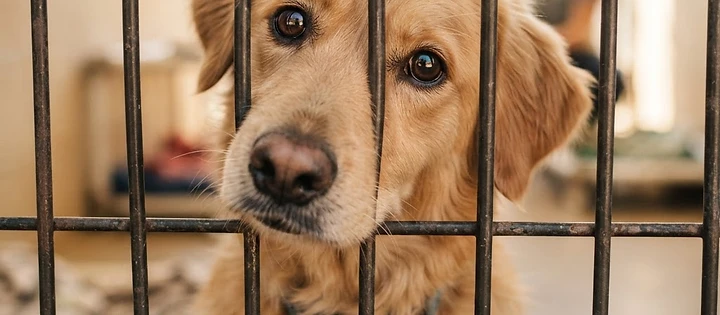
Foster families are the hidden heroes of dog rescue. Here is what fostering involves, why it matters, and how it changes lives, both canine and human.
The Heart of Rescue
Behind every successful dog rescue is a network of foster families. These are the people who open their homes to dogs in transition, giving them safety, care, and love while they wait for their forever families.
Fostering is one of the most impactful ways to help dogs in need. It saves lives, one dog at a time, and it changes the foster family too.
What Fostering a Dog Involves
Providing a Temporary Home
Foster families take a dog into their home for a period ranging from a few days to several months. The dog lives with them as a member of the family until a permanent home is found.
Daily Care
Fosters feed, walk, and care for the dog just as they would their own. They provide exercise, companionship, and a safe, loving environment.
Training and Socialization
Many rescue dogs need basic training or help adjusting to home life. Fosters work on house training, crate training, basic commands, and socialization.
Medical Care
Fosters often administer medications, take dogs to vet appointments, and monitor their health. The rescue typically covers medical costs.
Evaluation
Because the dog lives in a home, the foster can observe their temperament, behavior, and needs. This information is invaluable for matching the dog with the right forever family.
Promotion
Fosters often help promote their foster dog through photos, videos, and updates that help potential adopters get to know the dog.
Why Fostering Matters
It Saves Lives
Every dog in a foster home is a dog who is not in a shelter. Fostering directly reduces shelter crowding and gives dogs a chance to thrive in a home environment.
It Prepares Dogs for Adoption
Dogs in foster homes learn how to live in a home, with people, routines, and often other pets. They arrive in their forever homes better prepared and more likely to succeed.
It Provides Honest Information
Foster families can tell potential adopters exactly what a dog is like in a home. This honest assessment helps match dogs with families who are right for them.
It Helps Shelters Help More Dogs
Every dog in a foster home frees up shelter space for another dog in need. One foster home can save many dogs over the course of a year.
It Gives Dogs a Break From Shelter Stress
Shelters are stressful environments. A foster home gives a dog a chance to relax, decompress, and show their true personality, which often makes them more adoptable.
Who Can Foster
Families With or Without Other Pets
Many rescues need fosters who can take dogs as the only pet, and fosters who have dogs or cats already. Different dogs need different environments.
Families With Children
Some dogs do well with children and some need a quieter home. Rescues match dogs to the right foster situation.
People Who Work From Home or Have Flexible Schedules
Dogs who need more attention or are recovering from illness do best with fosters who are home often.
People With Dog Experience
Some dogs need experienced handlers, while others are easy for first-time fosters. Rescues match dogs to the foster's experience level.
People Who Are Not Ready for a Permanent Dog
Fostering is a great way to enjoy the company of a dog without the long-term commitment. It is also a way to learn if dog ownership is right for you.
What to Expect as a Foster
The Application Process
Reputable rescues have an application process that includes questions about your home, lifestyle, and experience. They want to ensure a good match for both you and the dog.
Support From the Rescue
The rescue should provide support, including medical care for the dog, guidance on training and behavior, and help if challenges arise.
The Emotional Journey
Fostering can be emotional. You may fall in love with a dog and face the bittersweet moment of saying goodbye when they go to their forever home. Most fosters find that the joy of saving a dog outweighs the sadness of parting.
The Reward
There is a unique satisfaction in watching a dog who was scared, sick, or shut down blossom in your care. The transformation is often remarkable, and you are a part of it.
How Fostering Helps You Decide on Adoption
If you are considering adopting a dog but are not sure, fostering is a wonderful way to test the waters. You learn what dog ownership is really like, what kind of dog fits your life, and whether you are ready for the commitment.
Many fosters end up adopting their foster dogs, a phenomenon known as foster failure, which is really a foster success. But many others happily send their foster dogs to wonderful homes and welcome the next dog in need.
How to Become a Foster
- Research rescues in your area
- Choose a reputable rescue that supports its fosters
- Complete the foster application
- Prepare your home for a foster dog
- Welcome your first foster and begin the journey
The Ripple Effect of Fostering
Every foster family creates a ripple. The dog they save goes on to live a happy life. The shelter space they free saves another dog. The family who adopts the foster dog experiences the joy of a companion. And the foster family experiences the deep satisfaction of having made a difference.
If you have room in your home and your heart, fostering is one of the most powerful ways to help dogs in need. The time you give changes a life, and often, it changes yours too.