Ethical Breeding
The Role of Ethical Breeders in Preventing Hereditary Diseases
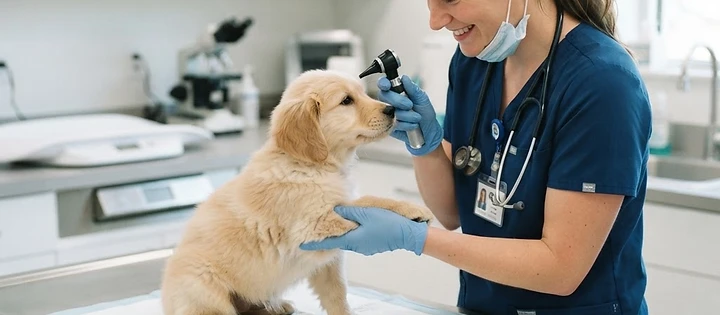
Hereditary diseases cause suffering for dogs and heartbreak for families. Here is how ethical breeders work to prevent these diseases and protect future generations.
The Burden of Hereditary Disease
Hereditary diseases are one of the greatest challenges in dog breeding. These diseases, passed from parents to puppies, can cause suffering for dogs and heartbreak for families. They can shorten lives, reduce quality of life, and create enormous veterinary expenses.
Ethical breeders play a crucial role in preventing hereditary diseases. Through health testing, careful pairing, and honest record-keeping, they work to reduce the prevalence of these diseases and to protect the health of future generations.
What Hereditary Diseases Are
Genetic Inheritance
Hereditary diseases are caused by genes that are passed from parents to puppies. Some diseases are caused by a single gene and are easily inherited. Others are influenced by multiple genes and environmental factors.
Modes of Inheritance
- Autosomal Recessive: A dog must inherit two copies of the gene, one from each parent, to be affected. Dogs with one copy are carriers and do not show symptoms.
- Autosomal Dominant: A dog needs only one copy of the gene to be affected.
- Sex-Linked: The gene is on a sex chromosome and affects males and females differently.
- Polygenic: The disease is influenced by multiple genes and often by environment as well.
Common Hereditary Diseases
- Hip and elbow dysplasia
- Progressive retinal atrophy (PRA)
- Degenerative myelopathy (DM)
- Von Willebrand's disease
- Heart defects like subaortic stenosis
- Eye disorders like cataracts and glaucoma
- Exercise-induced collapse (EIC)
- MDR1 gene mutation (drug sensitivity)
Different breeds have different common hereditary diseases, based on their genetic history.
How Ethical Breeders Prevent Hereditary Diseases
Health Testing
The foundation of prevention is health testing. Ethical breeders test their breeding dogs for the hereditary diseases known to affect their breed. This includes genetic tests for specific conditions and physical exams for conditions like hip dysplasia and heart defects.
Avoiding Breeding Affected Dogs
If a dog is affected by a serious hereditary disease, an ethical breeder does not breed that dog. This prevents the disease from being passed to puppies.
Careful Pairing of Carriers
For autosomal recessive diseases, a carrier has one copy of the gene and does not show symptoms. If two carriers are bred, some puppies may be affected. Ethical breeders pair carriers only with clear dogs, which prevents affected puppies while preserving valuable traits.
Tracking Lines
Ethical breeders track health issues in their lines over generations. They know which dogs have produced health problems and which have not. This information guides future breeding decisions.
Maintaining Genetic Diversity
Some hereditary diseases are more common in breeds with limited genetic diversity. Ethical breeders maintain diversity by avoiding excessive inbreeding and the popular sire syndrome, which reduces the risk of hereditary disease.
Sharing Information
Ethical breeders share health information openly with other breeders, breed clubs, and researchers. This collaboration helps the entire breeding community make better decisions and reduce the prevalence of disease.
Contributing to Research
Many ethical breeders contribute to research on hereditary diseases by sharing data, samples, and health records. This research leads to better tests, better understanding, and better prevention.
Educating Adopters
Ethical breeders educate their adopters about the hereditary diseases that may affect their breed. This helps adopters watch for signs, seek early treatment, and make informed decisions.
The Challenge of Polygenic Diseases
Some diseases, like hip dysplasia, are polygenic, meaning they are influenced by many genes and also by environment. These diseases are harder to prevent because there is no single gene to test for.
Ethical breeders address polygenic diseases by:
- Evaluating breeding dogs for the condition (like hip X-rays for hip dysplasia)
- Breeding only dogs with good evaluations
- Tracking the results in their lines over generations
- Considering environment and care, not just genetics
While polygenic diseases cannot be eliminated, their prevalence can be reduced through careful breeding.
The Role of the Breeder's Record-Keeping
Pedigree Analysis
Ethical breeders analyze pedigrees to understand the genetic relationships between dogs and to identify potential risks. This analysis helps them make informed pairing decisions.
Health Records
Ethical breeders maintain detailed health records of their dogs and the puppies they produce. These records help them track health issues over time and make better decisions.
Adopter Feedback
Ethical breeders stay in touch with adopters and collect feedback about the health of the dogs they produce. This feedback is invaluable for understanding what their pairings produce and for making improvements.
Open Communication
Ethical breeders communicate openly with other breeders about health issues in their lines. This honesty helps the entire community avoid spreading disease.
How Adopters Can Support Prevention
Choose Ethical Breeders
The most direct way to support prevention is to choose an ethical breeder who tests for hereditary diseases. Your choice supports practices that reduce disease and withdraws support from practices that spread it.
Ask About Health Testing
Ask breeders about the health tests they perform. Use the breed club's recommendations to know what tests are appropriate. Your questions encourage breeders to maintain high standards.
Share Health Information
If your dog develops a hereditary disease, share that information with your breeder. This helps them make better decisions and may prevent other families from facing the same heartbreak.
Support Research
Support breed clubs and health foundations that fund research on hereditary diseases. Your support contributes to better tests and better prevention.
Participate in Health Surveys
If your breed club conducts a health survey, participate. Your dog's data contributes to the understanding of hereditary disease in the breed.
The Long-Term Impact
The work of preventing hereditary diseases is long-term. It requires the commitment of many breeders over many generations. But the impact is real and significant.
Over time, the prevalence of hereditary diseases can be reduced, and the health of the breed can be improved. This is the legacy of ethical breeders who work to prevent disease, not just for their own puppies but for all dogs of the breed.
The Bottom Line
Hereditary diseases cause suffering for dogs and heartbreak for families, but they are not inevitable. Ethical breeders, through health testing, careful pairing, record-keeping, and collaboration, work to prevent these diseases and to protect the health of future generations.
When you choose an ethical breeder, you support this work. Your choice helps reduce the prevalence of hereditary disease and contributes to the long-term health of the breed. And you bring home a puppy who is far less likely to suffer from a preventable hereditary disease.
This is the value of ethical breeding. It is not just about individual puppies; it is about the health of the breed for generations to come. And that is a legacy worth supporting.