Ethical Breeding
The Role of Ethical Breeders in Preserving Rare and Heritage Breeds
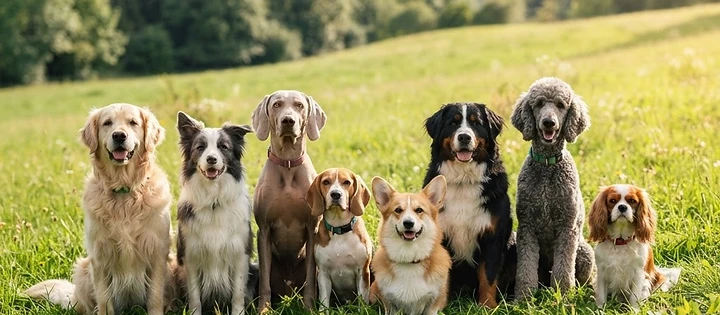
Some breeds are rare and at risk of disappearing. Here is how ethical breeders serve as stewards of canine heritage and why their work matters.
Guardians of Heritage
Some dog breeds are rare, with small populations and a real risk of disappearing. These breeds represent unique combinations of traits, histories, and purposes that, once lost, cannot be recovered.
Ethical breeders play a crucial role in preserving these rare and heritage breeds. Their work is a form of stewardship, protecting canine diversity for future generations.
What Makes a Breed Rare
Small Population
A breed may have a small number of dogs, which makes it vulnerable to genetic bottlenecks and loss of diversity.
Limited Geographic Distribution
Some breeds are concentrated in a specific region and are not well-known elsewhere, which limits their population and their gene pool.
Specialized Purpose
Breeds developed for specific tasks, like herding a particular type of livestock or hunting in a specific terrain, may become rare when those tasks are no longer common.
Historical Decline
Some breeds have declined over time due to changes in fashion, function, or popularity. A breed that was once common may become rare as tastes and needs change.
Why Preservation Matters
Genetic Diversity
Each breed represents a unique genetic package. When a breed is lost, that genetic diversity is gone forever. Preserving rare breeds preserves the genetic diversity of the dog species as a whole.
Cultural Heritage
Breeds are part of human history and culture. They reflect the regions, tasks, and relationships that shaped them. Preserving breeds preserves this cultural heritage.
Functional Diversity
Different breeds have different traits and abilities. Preserving a range of breeds preserves a range of functions, which may be valuable in the future.
Intrinsic Value
Every breed has intrinsic value as a unique form of life. The loss of a breed is a loss to the world, regardless of whether the breed has a current practical function.
How Ethical Breeders Preserve Rare Breeds
Careful Breeding
Ethical breeders of rare breeds breed carefully to maintain health and genetic diversity. They track pedigrees, monitor the coefficient of inbreeding, and make thoughtful pairings.
Genetic Diversity Management
Preserving a rare breed requires managing genetic diversity. Ethical breeders work to maintain as much diversity as possible, which may involve outcrossing, importing dogs, or working with a breed club.
Health Testing
Even in rare breeds, health testing is essential. Ethical breeders test for known conditions and work to reduce the prevalence of genetic disease while maintaining the breed's unique traits.
Education and Advocacy
Ethical breeders of rare breeds often serve as educators and advocates, helping people learn about the breed, its history, and its needs. This builds the community of people who value and support the breed.
Collaboration
Rare breed preservation requires collaboration. Ethical breeders work together, share dogs and information, and support breed clubs and registries that serve the breed.
Finding the Right Homes
Ethical breeders carefully screen adopters to ensure their puppies go to homes that understand and appreciate the breed. This helps ensure the breed is represented well and that the dogs thrive.
The Challenges of Rare Breed Preservation
Small Gene Pool
A small gene pool increases the risk of genetic disease and reduces vitality. Managing this risk is one of the greatest challenges in rare breed preservation.
Limited Numbers of Breeders
With few breeders, there are fewer dogs, fewer litters, and less genetic diversity. Encouraging new, ethical breeders is important for the breed's future.
Finding Homes
Rare breeds may be less well-known, which can make it harder to find homes for puppies. Education and advocacy are essential.
Balancing Type and Health
In rare breeds, there may be pressure to breed for type to maintain the breed's distinctive appearance, which can conflict with health priorities. Ethical breeders balance these priorities carefully.
Financial Costs
Rare breed preservation is often a labor of love, not a profitable business. The costs of health testing, importing dogs, and quality care may far exceed what breeders can recover through adoption fees.
How Adopters Can Support Rare Breed Preservation
Choose a Rare Breed
If a rare breed fits your lifestyle, consider adopting one. Your choice supports the breeders who are working to preserve it.
Learn About the Breed
Before adopting, learn about the breed's history, temperament, and needs. Rare breeds may have specific traits that require understanding and accommodation.
Support Ethical Breeders
Choose a breeder who is committed to the breed's preservation and who follows ethical practices. Your support helps them continue their work.
Support Breed Clubs and Registries
Breed clubs and registries that serve rare breeds often need support. Membership, donations, and advocacy help them continue their work.
Spread the Word
Share what you know about the rare breed with others. Education and awareness build the community that supports the breed's preservation.
Consider the Breed's Needs
Make sure you can meet the breed's specific needs. A rare breed is not a good choice if it does not fit your lifestyle, no matter how much you want to support its preservation.
The Broader Importance of Diversity
The preservation of rare breeds is part of a broader value: diversity. Just as biodiversity in nature is valuable, diversity in dog breeds is valuable. Each breed represents a unique combination of traits, and the loss of any breed diminishes the whole.
Ethical breeders who preserve rare breeds are stewards of this diversity. Their work protects not just individual breeds but the richness of the canine world as a whole.
A Labor of Love
For most ethical breeders of rare breeds, their work is a labor of love. They invest time, money, and heart into preserving a breed they are passionate about, often with little financial reward.
Their reward is the knowledge that they are protecting something precious, that they are ensuring a unique breed will continue for future generations. This is a profound form of stewardship.
The Bottom Line
Rare and heritage breeds are treasures of the canine world, and ethical breeders are their guardians. Through careful breeding, genetic management, education, and collaboration, these breeders ensure that unique breeds continue to exist.
As an adopter, you can support this work by choosing a rare breed if it fits your life, by supporting ethical breeders, and by spreading the word about these special dogs.
The preservation of rare breeds is a gift to the future. It ensures that the diversity, history, and beauty of the canine world will be there for generations to come. And that is a gift worth giving.