Benefits of Adoption
The Psychological Benefits of the Human-Animal Bond
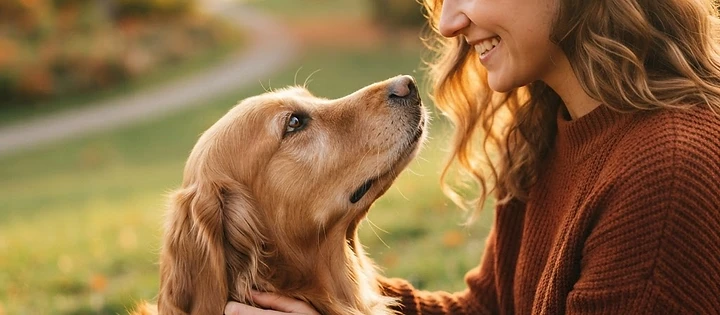
The bond between humans and dogs is ancient and profound. Here is what science tells us about why this relationship is so good for our minds and hearts.
An Ancient Bond
The relationship between humans and dogs is one of the oldest and most profound in human history. For thousands of years, dogs have lived alongside us, worked with us, and shared our lives. This bond is not just cultural; it is deeply psychological, affecting our minds and hearts in ways that science is only beginning to fully understand.
What Science Tells Us
Stress Reduction
Studies consistently show that interaction with dogs lowers cortisol, the body's primary stress hormone, and increases oxytocin, often called the love hormone. Even a few minutes of petting a dog can produce measurable calming effects on the nervous system.
This is not just a feeling; it is a physiological response. Our bodies are wired to respond positively to the presence of a dog.
Mood Elevation
Interacting with dogs has been shown to increase levels of serotonin and dopamine, neurotransmitters associated with happiness and well-being. This is one reason dog owners often report higher levels of life satisfaction and lower rates of depression.
Social Connection
Dogs act as social catalysts. Walking a dog, visiting a park, or attending a training class opens conversations and connections with other people. Studies show that dog owners are more likely to know their neighbors and to feel a sense of belonging in their community.
Purpose and Meaning
Caring for a dog provides daily purpose and meaning. The responsibility of feeding, walking, and caring for another being gives structure to the day and a reason to stay active and engaged.
For people who are retired, living alone, or struggling with motivation, a dog can be a powerful source of purpose.
Physical Activity
Dogs need exercise, and so do humans. The daily walks, games of fetch, and outdoor adventures that come with dog ownership keep people moving, which benefits both physical and mental health.
Physical activity is one of the most effective natural treatments for depression and anxiety, and a dog provides a gentle, daily reason to be active.
Unconditional Acceptance
Dogs do not judge. They do not criticize. They love you on your hardest days, your saddest days, and your best days, all the same. This unconditional acceptance is profoundly healing, especially for people who struggle with self-esteem or fear of judgment.
Routine and Structure
Dogs thrive on routine, and so do humans. The daily rhythm of feeding, walking, and caring for a dog provides structure that supports mental health, especially for people who struggle with motivation or organization.
How the Bond Helps Specific Groups
Children
For children, a dog can be a stabilizing presence during the turbulence of growing up. Dogs offer a confidant who never tells secrets, a friend who is always there, and a source of comfort during difficult times. Research suggests that children with dogs show lower stress levels, better emotional regulation, and stronger social skills.
Teens and Adolescents
The teenage years can be challenging, and a dog can be a source of non-judgmental support. Teens who struggle with peer pressure, anxiety, or self-esteem may find in a dog a safe, accepting companion.
Adults
For adults, a dog provides companionship, stress relief, and a reason to stay active. The daily presence of a dog can ease the pressures of work, family, and modern life.
Seniors
For older adults, a dog can be a powerful defense against isolation and depression. A dog provides daily purpose, companionship, and a reason to stay active and engaged with the world.
People With Mental Health Challenges
For people living with depression, anxiety, PTSD, or other mental health conditions, a dog can be a therapeutic presence. While a dog is not a substitute for professional treatment, the bond can be a powerful complement to therapy and medication.
How to Strengthen the Bond
Spend Quality Time Together
The bond deepens through shared time. Walk together, play together, and simply be present with your dog. Put away your phone and be fully engaged.
Train Together
Training builds communication and trust. Work on basic commands, try new tricks, or consider a dog sport. The shared activity strengthens the bond.
Be Consistent
Dogs thrive on consistency. Be reliable in your routines, your rules, and your care. This reliability builds trust, which is the foundation of the bond.
Use Positive Reinforcement
Positive reinforcement builds a relationship based on trust and joy, not fear. Reward desired behaviors with treats, praise, and play. This approach strengthens the bond and makes training more effective.
Be Patient
The bond deepens over time. Be patient with your dog and with yourself. The relationship grows through shared experiences, challenges, and joys.
Honor Your Dog's Nature
Appreciate your dog for who they are. Do not force them to be something they are not. Honoring their nature builds a relationship based on respect and understanding.
The Bond Goes Both Ways
The human-animal bond is not one-directional. Dogs benefit from the relationship as much as humans do. A dog who is loved, cared for, and engaged with their human is a happier, healthier dog.
This mutual benefit is part of what makes the bond so special. It is a relationship in which both parties give and receive, and both are enriched.
The Lifelong Impact
The psychological benefits of the human-animal bond are not temporary. They accumulate over years, shaping how we feel, how we relate to others, and how we experience life.
For many people, a dog is a constant through life's changes: a companion through moves, job changes, relationships, and losses. This constancy provides a stability that is rare and valuable.
The Bottom Line
The bond between humans and dogs is ancient, profound, and psychologically powerful. It reduces stress, elevates mood, provides purpose, and offers a kind of companionship that is uniquely healing.
If you are considering a dog, know that you are not just bringing home a pet. You are entering a relationship that has the power to change your mind, your heart, and your life. And you are giving a dog the same gift in return.
This is the power of the human-animal bond. It is a gift that has been thousands of years in the making, and it is available to anyone who is willing to open their heart and their home.