Training
Potty Training a Puppy: A Step-by-Step Guide That Actually Works
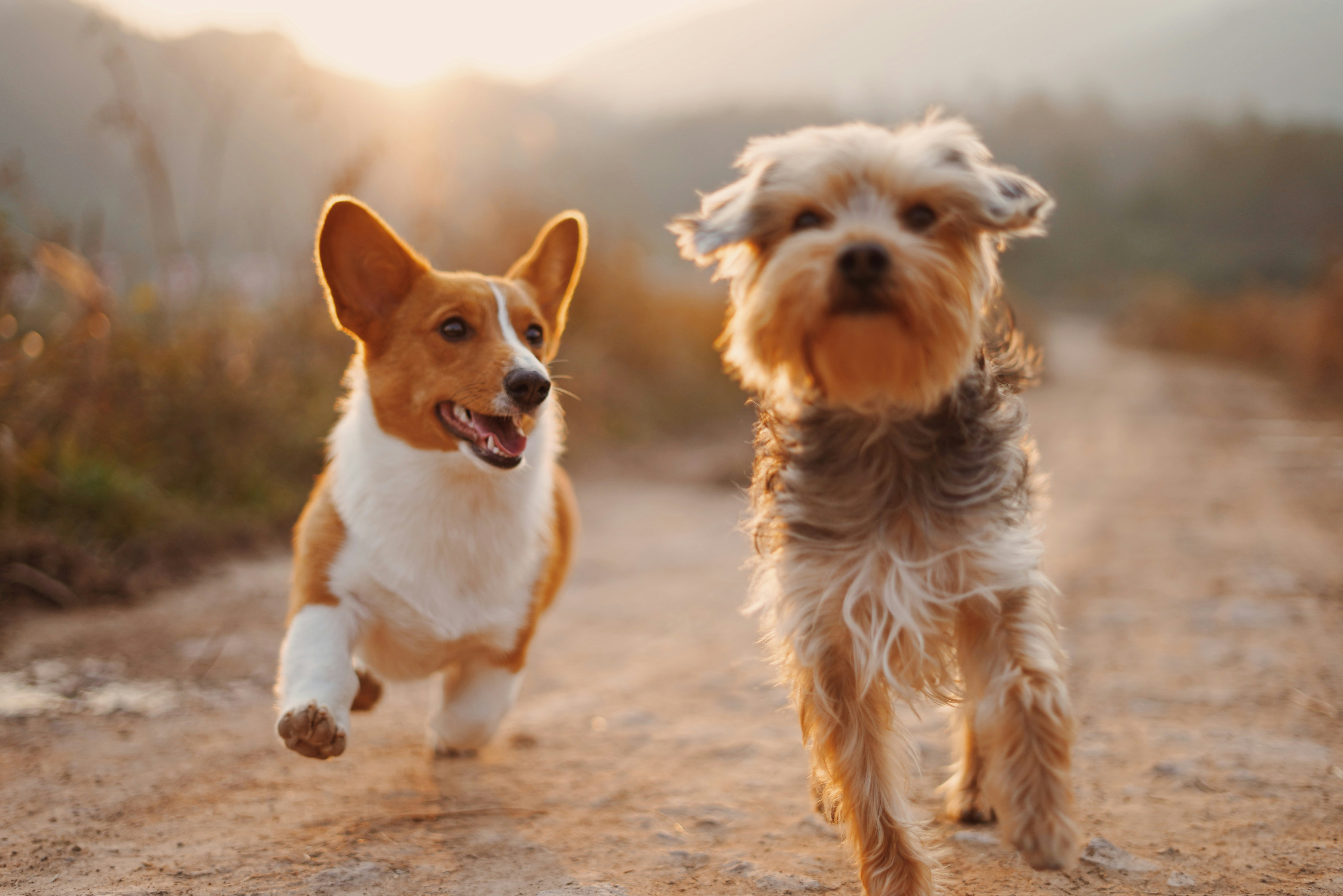
Potty training does not have to be a struggle. With consistency, a clear schedule, and positive reinforcement, your puppy can be reliably house-trained in weeks, not months.
The Secret to Potty Training Is Consistency
Potty training is one of the first big challenges every new puppy owner faces, and it is also the one that causes the most frustration. The good news is that it does not have to be a battle. The secret is not a magic trick or a special product. It is consistency, a clear schedule, and plenty of positive reinforcement.
Puppies learn best when they know exactly what to expect and what is expected of them. Here is a step-by-step approach that works.
Step 1: Establish a Schedule
Puppies thrive on routine. Take your puppy outside to their potty spot at these key times:
- First thing in the morning
- After every meal
- After every nap
- After play sessions
- Right before bedtime
- Every 30 to 60 minutes in between for young puppies
A general rule of thumb is that a puppy can hold their bladder for one hour for every month of age, plus one. So an eight-week-old puppy can hold it for about three hours at most.
Step 2: Choose a Designated Potty Spot
Always take your puppy to the same spot outside. The scent of previous visits tells them this is the right place to go. Use a short, consistent phrase like "go potty" or "do your business" each time, so they learn to associate the words with the action.
Step 3: Reward Immediately
The moment your puppy finishes going potty outside, praise them enthusiastically and give them a small treat. The reward must come within seconds, not minutes, so your puppy connects the action with the positive outcome.
Do not wait until you are back inside to reward. The connection needs to happen right at the potty spot.
Step 4: Watch for Signs
Puppies almost always give signals before they need to go. Watch for:
- Sniffing the ground intently
- Circling in one spot
- Whining or suddenly stopping play
- Wandering toward a door or corner
When you see these signs, scoop your puppy up and take them outside immediately.
Step 5: Use a Crate Wisely
A crate is one of your best potty-training tools. Dogs naturally avoid soiling their sleeping area. When you cannot directly supervise your puppy, place them in their crate for short periods. This prevents sneaky accidents and teaches bladder control.
Never use the crate as punishment, and never leave a puppy crated for longer than they can reasonably hold it.
Step 6: Handle Accidents the Right Way
Accidents will happen. It is part of the process. When they do:
- Do not punish your puppy. Rubbing their nose in the mess or scolding them does not teach them not to go inside. It teaches them not to go in front of you, which makes the problem worse.
- Clean thoroughly. Use an enzymatic cleaner designed for pet waste to remove all traces of odor. Regular cleaners leave behind scent markers that tell your puppy this is a potty spot.
- Interrupt and redirect. If you catch them in the act, clap once to interrupt, scoop them up, and take them outside to finish. Then reward if they do.
Step 7: Gradually Increase Freedom
As your puppy becomes more reliable, you can gradually give them more freedom in the house. Do this slowly. Expand their access one room at a time, and only when you are confident they will not have an accident.
If accidents start happening again, you moved too fast. Go back to more supervision and less freedom.
How Long Does Potty Training Take?
With consistent effort, most puppies are reliably potty trained between four and six months of age. Smaller breeds sometimes take a little longer because their bladders are smaller. Every puppy is different, so be patient and stay consistent.
Common Mistakes to Avoid
- Inconsistent schedules that confuse your puppy
- Punishing accidents instead of preventing them
- Waiting too long between potty breaks for a young puppy
- Free-feeding instead of scheduled meals, which makes potty times unpredictable
- Giving too much freedom before your puppy is ready
You Will Get There
Potty training takes patience, but it is temporary. Stay consistent, celebrate every success, and remember that every accident is just a learning opportunity for both of you. Before long, your puppy will be letting you know when it is time to head outside, and the days of indoor accidents will be behind you.