Benefits of Adoption
The Joy of Adopting a Dog With Special Needs
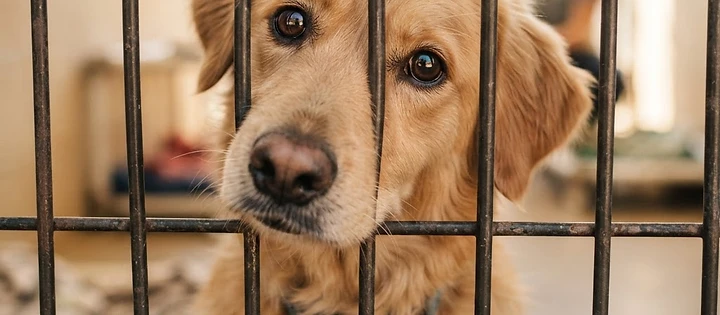
Dogs with special needs have so much love to give. Here is why adopting a dog with physical or behavioral needs is a profoundly rewarding experience.
Love Without Limits
Dogs with special needs are often the most overlooked in shelters, but they have so much love to give. A dog who is blind, deaf, three-legged, or managing a chronic condition is still a dog, with the same capacity for joy, loyalty, and love as any other.
Adopting a dog with special needs is a profoundly rewarding experience. It is an act of compassion that changes a life, and it is a relationship that enriches the adopter's life in ways that are hard to describe.
What Special Needs Means
Special needs can refer to a wide range of conditions:
Physical Needs
- Blindness or vision impairment
- Deafness or hearing impairment
- Missing limbs or mobility challenges
- Chronic conditions like diabetes or heart disease
- Allergies or skin conditions
- Incontinence
Behavioral Needs
- Anxiety or fear due to past trauma
- Resource guarding
- Reactivity to other dogs or people
- Separation anxiety
- Phobias of specific sounds or situations
Age-Related Needs
- Senior dogs who need more frequent veterinary care
- Dogs with cognitive decline
- Dogs with mobility issues related to age
Each dog is an individual, and each special need is different. What they all share is the capacity to love and be loved.
Why Dogs With Special Needs Make Wonderful Companions
Gratitude
Dogs with special needs often show a deep gratitude for their home. They seem to understand that they have been given a chance, and they return the love they receive with a depth that is profoundly moving.
Resilience
Dogs with special needs are remarkably resilient. They adapt to their conditions, find ways to navigate the world, and live fully. Their resilience is an inspiration and a lesson in how to face challenges.
Unique Personalities
Dogs with special needs often have unique, endearing personalities. Their experiences have shaped them, and they often show a depth of character that is remarkable.
Deep Bonds
The bond with a special needs dog is often especially deep. The care, patience, and love you provide create a connection that is unlike any other.
Teaching Compassion
A special needs dog teaches compassion, patience, and the value of all beings. For families with children, this is a powerful lesson that shapes who they become.
Joy in Simple Things
Dogs with special needs find joy in simple things: a soft bed, a kind voice, a gentle touch. Their ability to find joy, despite their challenges, is a gift to witness.
Common Myths About Special Needs Dogs
They Are Suffering
Many people assume that a dog with a special need is suffering. In most cases, this is not true. A blind dog does not suffer; they simply experience the world differently. A three-legged dog does not suffer; they adapt and live fully. Most special needs are manageable and do not cause suffering.
They Are Too Much Work
Some special needs do require extra care, but many do not. A blind dog may need a consistent environment and some training, but their daily care is not much different from any other dog. Each dog is an individual, and the level of care varies.
They Cannot Live Full Lives
Dogs with special needs live full, rich lives. They play, they love, they explore, they enjoy. Their lives are not lesser; they are simply different.
They Are Not Worth It
This is the saddest myth. Every dog is worth it. A dog with special needs has the same capacity for love and joy as any other dog, and the relationship with them is just as rewarding, often more so.
How to Decide if a Special Needs Dog Is Right for You
Consider Your Capacity
Be honest about your capacity to provide the care the dog needs. Some special needs require more time, money, or energy than others. Make sure you can meet the dog's needs before adopting.
Consider Your Home
Is your home suited to a dog with special needs? A blind dog may need a consistent environment. A dog with mobility issues may need a home without stairs. Consider what modifications might be needed.
Consider Your Lifestyle
Does your lifestyle accommodate the care a special needs dog requires? If you travel frequently or work long hours, some special needs may be difficult to manage.
Consider Your Finances
Some special needs require ongoing veterinary care, medication, or special equipment. Make sure you are prepared for these costs.
Consider Your Family
Is your family prepared for a special needs dog? Everyone should be on board and willing to participate in the care.
Talk to the Shelter or Rescue
The shelter or rescue can tell you about the dog's needs, their personality, and what care they require. Use this information to make an informed decision.
Consider a Foster Period
Some rescues offer foster-to-adopt arrangements for special needs dogs. This lets you try the arrangement before committing, which can help you decide if it is right for you.
How to Care for a Dog With Special Needs
Learn About the Condition
Learn as much as you can about the dog's condition. Understanding what they need and what to expect helps you provide the best care.
Work With Your Veterinarian
Establish a relationship with a veterinarian who is experienced with the dog's condition. Regular care and guidance are essential.
Adapt Your Home
Make any needed adaptations to your home. This might include ramps, baby gates, consistent furniture placement for a blind dog, or a special bed for a dog with mobility issues.
Be Patient
A dog with special needs may need extra time to adjust. Be patient as they learn their new home and their new routine.
Use Positive Reinforcement
Train using positive reinforcement. This is especially important for dogs with special needs, who may be sensitive or anxious.
Build a Routine
A consistent routine helps a dog with special needs feel secure. Feed, walk, and care for them at consistent times.
Celebrate the Small Things
Celebrate the small victories: the first time a blind dog navigates the house confidently, the first time an anxious dog relaxes, the first time a three-legged dog runs in the yard. These moments are deeply rewarding.
Seek Support
If you need support, reach out. There are online communities, support groups, and professionals who can help you care for a dog with special needs.
The Reward of Adopting a Special Needs Dog
The reward of adopting a dog with special needs is profound. You give a home to a dog who might otherwise be overlooked. You provide care, love, and a chance at a good life. And in return, you receive a love, a bond, and a relationship that is unlike any other.
The joy of watching a special needs dog blossom, of seeing them live fully despite their challenges, of sharing your life with a being who is so grateful and so loving, is a joy that is hard to describe and impossible to overstate.
The Bottom Line
Dogs with special needs have so much love to give. They are often overlooked, but they make wonderful, deeply rewarding companions for the right families.
If you have the capacity, the patience, and the love to give, consider adopting a dog with special needs. The relationship you build will change your life and the dog's life, and it will be one of the most meaningful experiences you ever have.
Every dog deserves a loving home, regardless of their needs. A dog with special needs is not a lesser dog; they are a dog with the same capacity for love, joy, and companionship as any other. And the love they give, to the person who sees their worth, is a gift beyond measure.