Ethical Breeding
The Importance of Veterinary Partnerships in Ethical Breeding
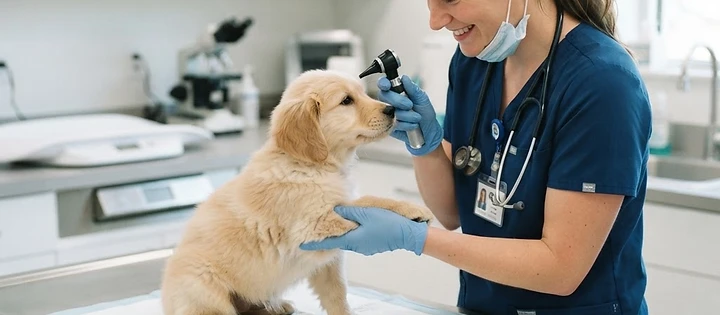
Ethical breeders work closely with veterinarians to ensure the health of their dogs and puppies. Here is why this partnership matters and what it means for adopters.
A Partnership for Health
Ethical breeding is not a solo endeavor. It relies on a partnership with a trusted veterinarian who provides expertise, oversight, and care throughout the breeding process.
A breeder's relationship with their vet is one of the clearest indicators of their commitment to health. Here is why this partnership matters and what it means for the families who adopt their puppies.
The Veterinarian's Role in Ethical Breeding
Pre-Breeding Health Evaluation
Before a dog is bred, a vet evaluates their overall health to ensure they are fit for breeding. This includes physical exams, blood work, and assessment of any health concerns.
Health Testing Oversight
Many health tests, such as cardiac exams and eye exams, are performed by veterinary specialists. A breeder's vet coordinates these tests and interprets the results.
Pregnancy Care
A vet monitors the pregnant dog throughout her pregnancy, providing nutrition guidance, ultrasound or x-ray to confirm litter size, and watching for any complications.
Whelping Support
A vet is available during whelping to assist if complications arise. This can be life-saving for the mother and puppies.
Neonatal Care
A vet provides guidance on caring for newborn puppies, including monitoring weight gain, addressing any health issues, and providing early vaccinations and deworming.
Ongoing Puppy Care
A vet examines puppies at regular intervals, administers vaccinations, and provides health certificates for puppies going to new homes.
Breeding Dog Retirement Care
When a breeding dog retires, a vet provides ongoing care to ensure their health and comfort in their retirement years.
What This Partnership Means for Adopters
Healthier Puppies
Puppies who receive veterinary care from birth are healthier. They are properly vaccinated, dewormed, and monitored for any health issues before they go to their new homes.
Health Records
An ethical breeder provides complete health records for each puppy, showing vaccinations, deworming, and any veterinary care received. This gives your own vet a clear picture of your puppy's health history.
Health Guarantee Backed by Veterinary Care
A breeder's health guarantee is only meaningful if it is backed by real veterinary care. Ethical breeders can document the health of their dogs through their vet's records.
Confidence in the Source
A breeder who works closely with a vet is one who takes health seriously. This gives you confidence that your puppy has had the best possible start.
How to Ask a Breeder About Their Veterinary Partnership
- Who is your veterinarian, and how long have you worked with them?
- How often do your dogs and puppies see the vet?
- What veterinary care has my puppy received so far?
- Can you provide health records for my puppy?
- How do you handle health issues if they arise in your dogs or puppies?
A responsible breeder will answer these questions openly and provide documentation.
Red Flags
No Regular Veterinary Care
A breeder who does not have a regular vet or who rarely takes their dogs to the vet is not providing adequate care.
No Health Records
A breeder who cannot provide health records for their puppies is not tracking their health properly.
Home Vaccinations Without Veterinary Oversight
Some breeders give vaccinations themselves to save money. This is a red flag unless the breeder is also a veterinarian, because proper storage, administration, and documentation matter.
No Veterinary Plan for Complications
A breeder who has no plan for veterinary care during whelping or for puppy health issues is not prepared for the realities of breeding.
Reluctance to Share Veterinary Information
A breeder who is vague about their vet or reluctant to share health records is hiding something.
The Cost of Veterinary Care in Breeding
Proper veterinary care is one of the significant costs of ethical breeding. Pre-breeding evaluations, health testing, pregnancy care, and puppy care add up to thousands of dollars per litter.
This is one reason ethically bred puppies cost more. The investment in veterinary care produces healthier puppies and protects the health of the breeding dogs.
How Your Veterinarian Can Help You Evaluate a Breeder
Your own vet can be a valuable resource when evaluating a breeder. They can:
- Help you understand what health tests are appropriate for the breed
- Review health records provided by the breeder
- Evaluate the health of your puppy after adoption
- Guide you on ongoing care based on your puppy's history
Share what you learn about a breeder with your vet, and use their expertise to help you make an informed decision.
The Lifelong Value of a Good Start
A puppy who receives proper veterinary care from birth arrives in your home with a strong health foundation. This start pays off for years in fewer health problems, lower veterinary costs, and a healthier, happier dog.
When you choose a breeder who partners with a veterinarian, you are choosing a partner who has invested in your puppy's health from day one. That investment is one of the most valuable things a breeder can provide.
A Sign of a Responsible Breeder
A strong veterinary partnership is one of the clearest signs of a responsible breeder. It shows that the breeder values expertise, prioritizes health, and is willing to invest in the well-being of their dogs.
When you ask a breeder about their vet, you learn something important about who they are and how they operate. A breeder who speaks of their vet with respect and confidence is one who takes health seriously.
The Bottom Line
Ethical breeding and veterinary care go hand in hand. A breeder who works closely with a trusted vet is one who is doing everything possible to produce healthy, well-cared-for puppies.
As an adopter, you benefit from this partnership through a healthier puppy, clear health records, and the confidence that comes from knowing your puppy has had the best possible start. Ask about the breeder's vet, and choose a breeder who values this essential partnership.