Benefits of Adoption
How to Transition a Rescue Dog Into Your Family
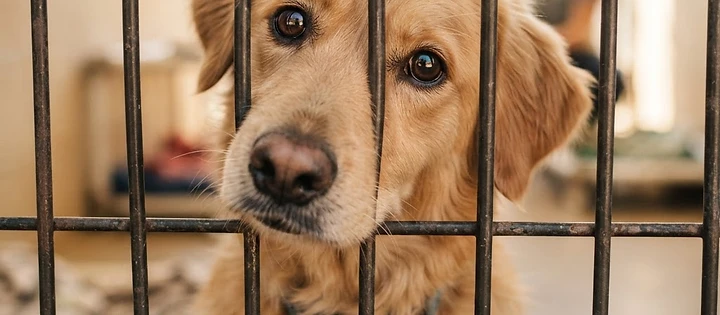
Bringing a rescue dog home is the beginning of a beautiful journey. Here is how to help a rescued dog adjust, build trust, and become part of your family.
The Journey Begins at Home
Adopting a rescue dog is an act of compassion that changes a life. But the adoption is just the beginning. The transition into your home and family is a journey that takes patience, understanding, and love.
Most rescue dogs adjust beautifully, but the process takes time. Knowing what to expect helps you support your dog through this important transition.
The First Days: Decompression
When a rescue dog arrives in a new home, they are often overwhelmed. They have been through changes, possibly a shelter, a foster home, and now a new environment. The first few days are about decompression, not training.
What to Expect
- Your dog may be quiet, withdrawn, or sleepy
- They may not eat much at first
- They may be hesitant to explore
- They may show signs of stress, like panting or pacing
What to Do
- Keep things calm and quiet
- Let your dog set the pace
- Provide a safe, comfortable space where they can retreat
- Do not overwhelm them with attention or visitors
- Establish a simple routine for feeding and potty breaks
The Rule of 3s
A useful guideline for rescue dog adjustment is the Rule of 3s:
- 3 days: Your dog may be overwhelmed and shut down
- 3 weeks: Your dog is learning the routine and starting to settle
- 3 months: Your dog is fully adjusted and bonded with your family
This timeline is a general guide. Some dogs adjust faster, some slower. But it reminds you to be patient and to give the process time.
Building Trust
Trust is the foundation of your relationship with a rescue dog. It cannot be rushed. It is built through consistent, kind, predictable interactions.
How to Build Trust
- Be consistent in your routine and rules
- Use positive reinforcement, never punishment
- Let your dog approach you on their terms
- Speak in a calm, gentle voice
- Respect your dog's need for space
- Provide food, water, and comfort reliably
Signs of Growing Trust
- Your dog seeks your attention
- They relax in your presence
- They begin to play
- They show affection, like leaning or nuzzling
- They look to you for guidance
Establishing Routine
Dogs thrive on routine, and rescue dogs especially benefit from the security it provides. A predictable routine helps them feel safe and understand what to expect.
Build a Daily Schedule
- Consistent feeding times
- Regular walks and potty breaks
- Predictable sleep and rest times
- Consistent rules and expectations
Be Patient With Setbacks
Adjustment is not linear. Your dog may make progress and then seem to regress. This is normal. Stay consistent, and the progress will continue.
Socialization at the Right Pace
Many rescue dogs missed early socialization or had negative experiences. Socialization is still important, but it must be done at your dog's pace.
Start Slow
- Introduce new people, places, and experiences gradually
- Pair every new experience with something positive, like treats
- Watch your dog's body language and back off if they are overwhelmed
- Never force your dog into a situation that scares them
Build Confidence
- Celebrate small victories
- Let your dog succeed at easy challenges before harder ones
- Provide safe, positive experiences that build trust in the world
Training a Rescue Dog
Training builds communication and trust. Most rescue dogs can learn quickly, even if they have no prior training.
Start With the Basics
- Name recognition
- Sit, stay, come
- Loose-leash walking
- Crate training if appropriate
Use Positive Reinforcement
- Reward desired behaviors with treats, praise, and play
- Ignore or redirect unwanted behaviors
- Never use punishment, which damages trust
Consider a Trainer
If you are new to training or your dog has specific behavioral needs, a positive-reinforcement trainer can guide you and strengthen the bond.
Introducing Your Rescue Dog to Other Pets
If you have other pets, introductions should be gradual and supervised.
Scent First
Let your pets smell each other's scent before meeting face to face. Swap bedding or use a towel to transfer scent.
Controlled Meetings
Introduce pets in a neutral space, with both on leash. Keep meetings short and positive.
Supervise and Separate
Supervise all interactions and separate pets when you cannot watch. Provide each pet with their own space and resources.
Be Patient
Some pets become friends quickly, while others take weeks or months. Patience and management prevent conflict and build peaceful coexistence.
Introducing Your Rescue Dog to Children
Children and rescue dogs can become wonderful companions, but introductions and interactions need careful management.
Teach Children First
Before the dog arrives, teach children how to approach, pet, and play gently. Show them how to read signs of stress and respect the dog's space.
Supervise All Interactions
Never leave young children and a new dog unsupervised. Both need guidance to interact safely.
Give the Dog a Retreat
Provide a space where the dog can go to rest away from children. Teach children that this space is off-limits.
Common Challenges and How to Handle Them
House Training Setbacks
Some rescue dogs were never house trained or lost their training due to stress. Treat them like a puppy: establish a schedule, praise success, and clean accidents with enzymatic cleaner.
Separation Anxiety
Some rescue dogs struggle when left alone. Start with very short absences and build up. Provide a safe space and consider a trainer if anxiety is severe.
Fear of New Things
Rescue dogs may fear objects, sounds, or people. Go slowly, pair new things with treats, and never force exposure. Patience builds confidence.
Resource Guarding
Some dogs guard food or toys. Work with a trainer to address this safely. Never punish a dog for guarding, which can make the behavior worse.
How to Know Your Dog Is Settling In
- They greet you happily
- They eat with enthusiasm
- They play and show personality
- They relax in your presence
- They seek affection
- They look to you for guidance
- They show comfort in their environment
The Reward of Patience
The transition of a rescue dog is a journey of patience, but the reward is profound. A dog who was scared, uncertain, or shut down blossoms into a confident, loving companion. The bond you build through this process is deep and lasting.
When you adopt a rescue dog, you are not just giving them a home. You are giving them a chance to trust again, to love again, and to live the life they deserve. The journey takes time, but it is one of the most rewarding you will ever undertake.