Benefits of Adoption
How to Support a Friend Who Is Adopting a Dog
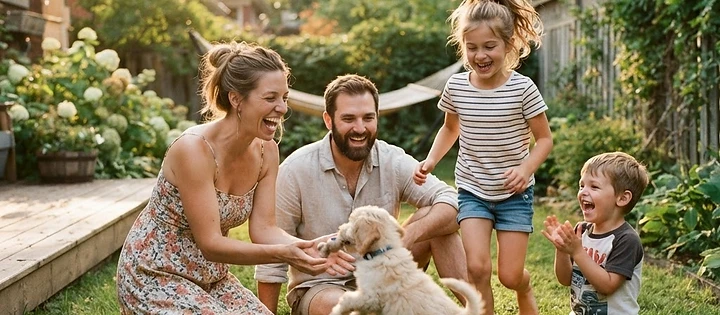
When a friend adopts a dog, your support can make the transition smoother for everyone. Here is how to help before, during, and after the adoption.
A Friend in a New Journey
When a friend or family member adopts a dog, they are beginning a significant new journey. The first weeks and months can be overwhelming, and your support can make a real difference for both the person and the dog.
Here is how to support a friend who is adopting a dog, from the research phase through the adjustment period and beyond.
Before the Adoption
Help With Research
If your friend is still deciding, offer to help with research. You might help them learn about breeds, find ethical breeders or rescues, or understand the commitment involved. A second set of eyes is valuable.
Be a Sounding Board
Listen as your friend thinks through the decision. Ask thoughtful questions, help them consider factors they may not have thought of, and be a supportive sounding board.
Help Prepare
Offer to help prepare their home for the new arrival. You might help puppy-proof, shop for supplies, or set up a safe space. This practical help is invaluable in the busy days before adoption.
Offer to Go Along
If your friend is visiting a breeder or a shelter, offer to go along. A second perspective is helpful, and the company is appreciated.
Respect the Decision
Trust your friend's judgment about the right dog for them. Offer your perspective if asked, but respect that this is their decision and their life.
During the First Days
Give Space
The first days with a new dog are overwhelming. Give your friend space to bond with their dog and establish routines. Do not be offended if they are less available than usual.
Offer Practical Help
Offer practical help that eases the burden. You might bring a meal, run an errand, or help with chores. These small acts of service are deeply appreciated when someone is overwhelmed.
Be Calm Around the Dog
When you visit, be calm and quiet. A new dog is adjusting to a new world and does not need extra excitement. Let the dog approach you at their pace, and do not overwhelm them with attention.
Respect the Rules
Follow the rules your friend has established for their dog. If the dog is not allowed on the couch, do not invite them up. Consistency helps the dog adjust, and your respect supports your friend's training.
Do Not Give Unsolicited Advice
The first days are not the time for advice. Your friend is learning, and unsolicited advice can feel like criticism. If they ask for help, offer it; otherwise, just be supportive.
During the First Weeks
Check In
Check in regularly to see how things are going. A simple text or call shows you care and gives your friend a chance to share the joys and challenges of the first weeks.
Celebrate Milestones
Celebrate milestones with your friend: the first successful potty trip outside, the first night without crying, the first command learned. These small victories are exciting, and sharing them makes them more meaningful.
Offer to Help With the Dog
Offer to help with the dog in practical ways. You might take the dog for a walk, play with them in the yard, or sit with them while your friend runs an errand. This gives your friend a break and helps you bond with the dog.
Be Patient With Their Availability
Your friend may be less available in the first weeks as they adjust to life with a dog. Be patient and understanding. This phase passes, and your friend will be back.
Listen Without Judgment
If your friend is struggling, listen without judgment. The first weeks can be hard, and having a friend who listens without criticism is invaluable. Offer encouragement, not solutions, unless asked.
During the First Months
Continue to Be Involved
As the first months pass, continue to be involved. Ask about the dog, celebrate progress, and stay connected. Your ongoing interest shows you care about the relationship that is developing.
Offer to Dog-Sit
As your friend's dog settles in, offer to dog-sit when they need to be away. This is a significant gift that gives your friend peace of mind and helps the dog feel comfortable with you.
Include the Dog
When appropriate, include the dog in your activities. Invite your friend and their dog for a walk, a park visit, or a dog-friendly outing. This includes the dog in your friendship and supports the bond between your friend and their dog.
Be a Dog Friend
Become a friend to the dog as well as to the person. Greet the dog warmly, learn what they like, and build a relationship with them. This enriches the dog's life and deepens your friendship with their owner.
Long-Term Support
Remember Important Dates
Remember the dog's adoption day, birthday, or other important dates. A message or small gift on these days shows you care about the dog and the relationship.
Be There in Hard Times
If the dog becomes sick, faces behavioral challenges, or reaches the end of life, be there for your friend. These are hard times, and your support is invaluable.
Support Their Decisions
Support your friend's decisions about their dog's care, training, and life. You may not always agree, but your support matters more than your opinion.
Celebrate the Dog's Life
Celebrate the dog's life and the joy they bring to your friend. Your shared appreciation of the dog strengthens your friendship and honors the bond between your friend and their dog.
What Not to Do
Do Not Bring Your Dog Without Asking
If you have a dog, do not bring them to your friend's home without asking. The new dog may not be ready for a canine visitor, and the introduction should be planned.
Do Not Undermine Training
Do not undermine your friend's training by feeding the dog from the table, allowing behaviors the friend is discouraging, or giving conflicting cues. Consistency is essential for a new dog.
Do Not Compare
Do not compare your friend's dog to your own or to other dogs. Every dog is an individual, and comparisons are unhelpful and can feel like criticism.
Do Not Offer Unsolicited Advice
Unless asked, do not offer advice. Your friend is learning and may not want or need your input. Trust them to figure it out, and offer help only when asked.
Do Not Judge
Do not judge your friend's struggles, decisions, or feelings. The journey with a new dog is personal, and judgment is not helpful. Offer support, not criticism.
The Gift of Support
Your support is a gift to your friend and to their dog. It makes the transition smoother, the challenges easier, and the joys richer. It strengthens your friendship and honors the bond that is developing between your friend and their dog.
You do not have to do everything. Small acts of support, a listening ear, a meal, a walk, a celebration of a milestone, all make a difference. The key is to be present, to be patient, and to be supportive.
The Bottom Line
When a friend adopts a dog, your support can make the journey smoother and more joyful. From helping with research to celebrating milestones to being there in hard times, your support is a gift to your friend and to their dog.
Be present, be patient, and be supportive. Offer practical help, listen without judgment, and celebrate the bond that is developing. Your friendship, extended to include the dog, enriches the lives of everyone involved and honors the profound relationship between a person and their dog.