Benefits of Adoption
How to Prepare Your Home for a Newly Adopted Dog
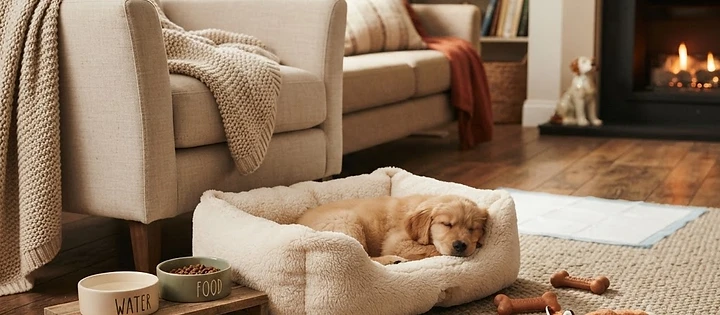
A prepared home helps your new dog settle faster and safer. Here is a room-by-room guide to getting ready before your adopted dog walks through the door.
Preparation Makes All the Difference
Bringing a new dog home is exciting, but it is also a big transition for your dog. A prepared home helps them feel safe, prevents accidents and injuries, and sets the stage for a smooth adjustment.
Whether you are adopting a puppy or an adult dog, a few hours of preparation will save you stress and help your new companion settle in with confidence.
Before Your Dog Arrives
Gather Supplies
Have everything you need before your dog comes home:
- Food and water bowls
- The food your dog has been eating
- A collar and leash
- An ID tag with your contact information
- A crate or carrier
- A comfortable bed
- Toys, including chew toys
- Cleaning supplies, including enzymatic cleaner
- Baby gates or exercise pen
- Waste bags
Choose a Veterinarian
If you do not already have a vet, research and choose one before your dog arrives. Schedule a wellness visit for the first week.
Plan Your First Days
Clear your schedule as much as possible for the first few days. Your dog needs your presence and patience as they adjust.
Decide on House Rules
Talk with your family about rules before your dog arrives. Will the dog be allowed on furniture? Where will they sleep? Who is responsible for feeding, walking, and training? Consistency from the start prevents confusion.
Room-by-Room Preparation
The Kitchen
- Store food in sealed containers
- Put away toxic foods like chocolate, grapes, onions, and xylitol-containing items
- Secure trash cans with lids or inside cabinets
- Keep cleaning supplies in closed cabinets
The Living Room
- Move or secure electrical cords
- Remove or raise toxic plants
- Put away small objects a dog could swallow
- Secure loose rugs that could slide
- Consider furniture covers if your dog will be allowed on furniture
Bedrooms
- Pick up shoes, socks, and clothing
- Secure medications and supplements
- Keep small items like jewelry and hair ties out of reach
- Close closet doors or use baby gates
Bathrooms
- Keep medications, cleaners, and toiletries in closed cabinets
- Secure the trash can
- Close the toilet lid to prevent drinking or falling in
Garage and Yard
- Store chemicals, antifreeze, and fertilizers securely
- Check your yard for toxic plants
- Secure fencing and gates
- Remove or fence off compost piles
- Check for gaps under fences where a small dog could escape
Home Office
- Secure computer cords and chargers
- Keep small items like paper clips and rubber bands out of reach
- Store printer ink and toner securely
Creating a Safe Space
Choose a Crate or Pen Area
A crate or exercise pen gives your dog a safe, contained space when you cannot supervise. This is essential for house training and for giving your dog a place to rest.
Make It Comfortable
Add a bed or blanket, a toy or two, and a water bowl if the dog will be there for more than a couple of hours. Make the space inviting, not punitive.
Introduce It Positively
When your dog arrives, let them explore the crate or pen at their own pace. Toss treats inside, feed them there, and never use the crate as punishment.
Managing Other Pets
Introduce Slowly
If you have other pets, introduce them to your new dog gradually. Start with scent swapping, then brief, supervised meetings, and increase time together as they adjust.
Give Each Pet Space
Make sure each pet has a safe space to retreat to. Baby gates and separate rooms help manage introductions and prevent conflict.
Be Patient
Adjustment takes time. Some pets become friends in days, while others take weeks or months. Patience and supervision are key.
Managing Children
Teach Gentle Interaction
Before your dog arrives, teach children how to approach, pet, and play gently. Show them how to respect the dog's space and read signs of stress.
Supervise All Interactions
Never leave young children and a new dog unsupervised, no matter how gentle either seems. Both children and dogs need guidance to interact safely.
Give the Dog a Retreat
Make sure your dog has a space where they can go to rest away from children. Teach children that when the dog is in their space, they are not to be disturbed.
The First Hours at Home
Keep It Calm
When you arrive home, keep things quiet. Let your dog explore at their pace, and do not overwhelm them with attention or activity.
Show Them Their Space
Introduce your dog to their crate, bed, and feeding area. Let them sniff and explore.
Take Them Outside
Take your dog to their potty area right away. Praise them if they go, which starts house training on a positive note.
Start a Routine
Begin feeding, walking, and sleeping on a schedule from the first day. Routine helps your dog feel secure and speeds adjustment.
Common Mistakes to Avoid
Overwhelming Your Dog
Too many visitors, too much activity, and too much attention can overwhelm a new dog. Keep the first days quiet and calm.
Skipping Preparation
Trying to prepare your home while also watching a new dog is stressful. Do the work before your dog arrives.
Inconsistent Rules
When family members enforce different rules, a dog becomes confused. Agree on rules before your dog comes home and stick to them.
Neglecting Training From Day One
Start gentle training from the first day. Habits form quickly, and good habits are easier to establish than to fix later.
The Gift of a Prepared Home
A prepared home is a gift to your new dog. It tells them they are safe, wanted, and cared for. It helps them settle faster, prevents problems, and lets you focus on what matters most: building the bond that will carry you and your dog for years.
Take the time to prepare, and you will be rewarded with a smoother transition and a happier, more confident companion from day one.