Benefits of Adoption
How to Introduce a Newly Adopted Dog to Your Existing Pets
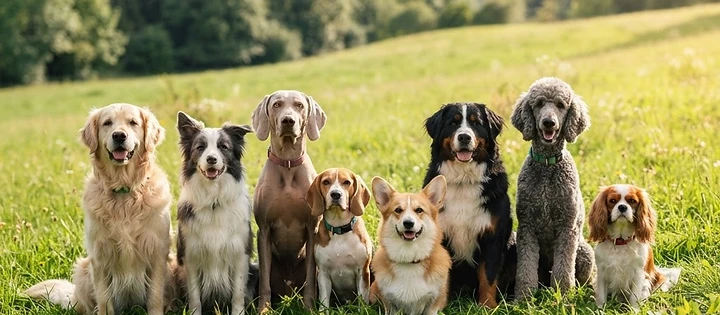
Bringing a new dog into a home with other pets requires patience and care. Here is a step-by-step guide to introductions that lead to harmony.
A Gradual Process
Introducing a newly adopted dog to your existing pets is one of the most important steps in the adoption process. Done well, it leads to a harmonious, happy household. Done poorly, it can create conflict, stress, and setbacks that take months to overcome.
The key is patience and a gradual approach. Rushing the introduction is the most common mistake and the most common cause of problems.
Before the Introduction
Prepare Your Home
Set up separate spaces for your new dog and your existing pets. Each pet should have their own area with food, water, bed, and a safe place to retreat.
Gather Supplies
Have baby gates, leashes, treats, and toys ready. These tools help you manage the introduction safely.
Choose a Neutral Territory
Plan to do the first introduction in a neutral space, not in the area where your existing pet feels most territorial. A backyard, a park, or a room your existing pet rarely uses can work.
Plan for Time
Set aside plenty of time for the introduction. Do not rush. A slow, careful introduction is worth the time investment.
Step 1: Scent Swapping
Before the dogs or other pets meet face to face, let them get used to each other's scent.
How to Do It
- Rub a towel on your new dog and place it near your existing pet's bed
- Rub a towel on your existing pet and place it near your new dog's bed
- Let each pet investigate the scent at their own pace
- Pair the scent with positive things, like treats and praise
Why It Matters
Scent is a primary way dogs understand their world. Getting used to each other's scent before meeting helps reduce the novelty and potential threat of the face-to-face introduction.
Step 2: Visual Introduction
After the pets are comfortable with each other's scent, let them see each other without direct contact.
How to Do It
- Use a baby gate or a door cracked open to let the pets see each other
- Keep both pets on leash or under control
- Pair the visual contact with treats and praise
- Keep sessions short, just a few minutes at first
- End on a positive note before either pet becomes stressed
What to Watch For
- Relaxed body language, soft eyes, loose posture
- Curiosity without excessive arousal
- Ability to take treats and respond to you
If either pet shows signs of stress, aggression, or excessive arousal, end the session and try again later with more distance.
Step 3: Controlled Face-to-Face Meeting
When both pets are comfortable with visual contact, it is time for a controlled face-to-face meeting.
How to Do It
- Choose a neutral space
- Have one person handle each pet, both on leash
- Start at a distance and gradually approach
- Allow brief sniffing, then redirect with treats or a command
- Keep the meeting short, just a few minutes
- End on a positive note
What to Watch For
- Loose, waggy body language
- Play bows or invitations to play
- Relaxed faces and ears
- Ability to disengage and respond to handlers
If you see stiff body language, hard staring, growling, or aggression, calmly separate the pets and go back to the previous step.
Step 4: Supervised Time Together
After a successful face-to-face meeting, you can begin to give the pets supervised time together.
How to Do It
- Keep both pets on leash initially
- Allow them to interact, but redirect if arousal gets too high
- Keep sessions short at first, gradually increasing duration
- Provide plenty of treats and praise for calm, appropriate behavior
- Always supervise; do not leave the pets alone together
What to Watch For
- Appropriate play, with give-and-take and breaks
- Relaxed body language
- Ability to settle together
- No resource guarding or aggression
Step 5: Unsupervised Time
Only after the pets have had many successful supervised sessions should you consider leaving them alone together.
How to Do It
- Start with very short absences, just a few minutes
- Gradually increase the duration
- Remove high-value items like bones and toys initially
- Provide separate spaces where each pet can retreat
- Monitor for any signs of conflict when you return
If any conflict occurs, go back to supervised time and proceed more slowly.
Introducing a Dog to a Cat
Introducing a dog to a cat requires extra caution, as dogs may see cats as prey.
Prepare a Safe Space for the Cat
Ensure the cat has a dog-free space with their food, litter, and resting areas. The cat must be able to escape and feel safe.
Start With Scent and Visual
Follow the scent swapping and visual introduction steps, with the cat in a carrier or behind a baby gate.
Controlled Meetings
Keep the dog on leash and allow the cat to approach or retreat as they choose. Reward the dog for calm behavior and never allow chasing.
Be Patient
Cat-dog introductions can take weeks or months. Be patient and do not rush. The cat's safety and comfort are the priority.
Common Mistakes to Avoid
Rushing the Introduction
The most common mistake is rushing. Take your time. A slow, careful introduction prevents problems that take far longer to fix.
Leaving Pets Unsupervised Too Soon
Do not leave pets alone together until you are confident they are safe together. Supervision is essential until trust is established.
Allowing High Arousal
If play or interaction gets too aroused, it can tip into conflict. Keep arousal levels manageable and redirect if things get too intense.
Not Providing Escape Routes
Every pet needs a safe place to retreat. If a pet feels trapped, they may react defensively. Ensure escape routes are always available.
Ignoring Body Language
Learn to read pet body language. Signs of stress, fear, or aggression should be taken seriously. Do not wait for a fight to intervene.
How to Handle Setbacks
Setbacks are normal. If a meeting goes poorly, do not despair. Go back to the previous step and proceed more slowly.
If you are struggling, consider working with a positive-reinforcement trainer or behaviorist. Professional help can make a big difference, especially with challenging introductions.
The Reward of Patience
A successful introduction leads to a harmonious household where your pets can coexist peacefully and may even become friends. The bond between pets who get along is a joy to witness and enriches the lives of the whole family.
The patience and care you invest in the introduction pays off for years. Take the time to do it right, and you will give your pets the best chance at a peaceful, happy life together.
The Bottom Line
Introducing a newly adopted dog to your existing pets is a gradual process that requires patience, care, and attention to body language. By taking it slowly, preparing your home, and supervising carefully, you give your pets the best chance at a harmonious relationship.
Do not rush. A slow, careful introduction is worth the time. The reward is a peaceful, happy household where all your pets can thrive together.