Benefits of Adoption
How to Create a Safe and Enriching Environment for Your New Dog
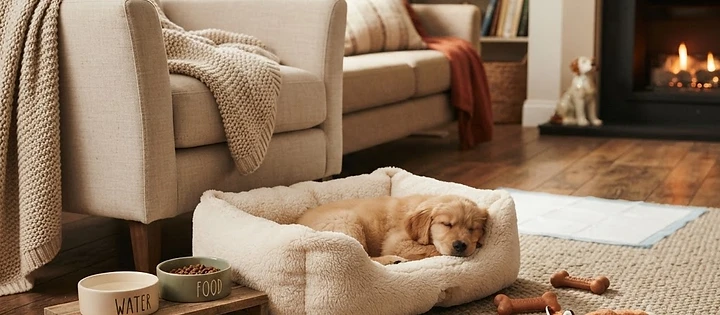
A safe, enriching home helps your new dog thrive. Here is how to create an environment that supports their physical and mental well-being from day one.
More Than a Roof Over Their Head
A home is more than a place where a dog lives. It is an environment that shapes their health, behavior, and well-being. A safe, enriching home helps a dog thrive, while a barren or chaotic one can cause stress and behavioral problems.
When you bring a new dog home, creating the right environment is one of the most important things you can do. Here is how to create a home that supports your dog's physical and mental well-being.
Safety First
Puppy-Proof Your Home
Before your dog arrives, puppy-proof your home. Remove or secure anything that could be dangerous: toxic foods, plants, chemicals, medications, electrical cords, and small objects that could be swallowed.
Secure Your Yard
If you have a yard, ensure it is securely fenced. Check for gaps, holes, or areas where a dog could escape. Remove toxic plants and secure any chemicals or tools.
Provide a Safe Space
Every dog needs a safe space where they can retreat and rest. This could be a crate, a bed in a quiet corner, or a room where they can be alone. Make this space comfortable and inviting.
Use Baby Gates
Baby gates can help manage your dog's access to the home, keeping them safe and preventing them from getting into trouble when you cannot supervise.
Keep Hazardous Items Out of Reach
Ensure that trash, cleaning supplies, medications, and other hazardous items are secured in cabinets or out of reach.
Physical Comfort
A Comfortable Bed
Provide a comfortable bed that is appropriate for your dog's size. Older dogs may benefit from an orthopedic bed. Place the bed in a quiet, draft-free area.
Fresh Water
Ensure your dog always has access to clean, fresh water. Wash the water bowl regularly.
Appropriate Food and Feeding
Feed a high-quality food appropriate for your dog's age, size, and health. Feed on a schedule, and provide the food in a clean bowl in a consistent location.
Temperature Control
Ensure your home is at a comfortable temperature. Dogs are sensitive to heat and cold, so provide shade in summer and warmth in winter.
Regular Exercise
Provide regular exercise appropriate for your dog's age, breed, and health. Walks, play, and free movement are essential for physical health and mental well-being.
Mental Enrichment
Toys
Provide a variety of toys: chew toys, puzzle toys, plush toys, and interactive toys. Rotate toys to keep them interesting.
Puzzle Feeders
Puzzle feeders and treat-dispensing toys provide mental stimulation and slow down eating. They are a great way to engage your dog's mind.
Training
Training provides mental stimulation and builds the bond between you and your dog. Short, positive training sessions throughout the day keep your dog's mind engaged.
Social Interaction
Dogs are social animals who need interaction with their family. Spend time with your dog every day: walking, playing, training, or simply being together.
Novel Experiences
Expose your dog to new experiences, environments, and people in a positive, gradual way. This builds confidence and keeps life interesting.
Scent Work
Dogs experience the world largely through scent. Provide opportunities for sniffing, such as walks in new places, scent games, or hiding treats for your dog to find.
Chewing
Chewing is a natural behavior that relieves stress and keeps teeth clean. Provide appropriate chew toys and bones.
Routine and Structure
Consistent Schedule
Dogs thrive on routine. Feed, walk, and play at consistent times. This predictability helps your dog feel secure and reduces anxiety.
Clear Rules
Establish clear rules and be consistent. If the dog is not allowed on the couch, enforce that rule consistently. Inconsistent rules confuse dogs and undermine training.
Quiet Time
Provide quiet time for your dog to rest and decompress. Dogs need sleep and downtime, especially after activity or excitement.
Alone Time Training
Teach your dog to be comfortable alone. Start with short absences and gradually increase. This prevents separation anxiety and gives your dog confidence.
Social Environment
Family Interaction
Ensure all family members interact with the dog in a positive, consistent way. Teach children how to be gentle and respectful.
Other Pets
If you have other pets, manage introductions carefully and provide each pet with their own space and resources.
Visitors
Teach your dog to greet visitors politely. Manage interactions to prevent overexcitement or fear.
Socialization
Continue socializing your dog throughout their life. Expose them to different people, dogs, environments, and experiences in a positive way.
Health and Care
Regular Veterinary Care
Establish a relationship with a veterinarian and schedule regular checkups. Stay up to date on vaccinations, dental care, and preventive medications.
Grooming
Provide regular grooming appropriate for your dog's coat type. This includes brushing, bathing, nail trimming, and ear cleaning.
Dental Care
Dental health is essential for overall health. Brush your dog's teeth regularly and provide dental chews or toys.
Weight Management
Keep your dog at a healthy weight. Obesity causes health problems and shortens life. Work with your vet to manage your dog's weight.
Identification
Ensure your dog has identification: a collar with tags and a microchip. This provides peace of mind and helps ensure your dog can be returned if lost.
Adapting to Your Dog's Needs
Age
A puppy's needs are different from a senior dog's. Adapt the environment to your dog's age: more socialization and training for puppies, more comfort and gentle exercise for seniors.
Breed
Different breeds have different needs. A high-energy breed needs more exercise and mental challenge. A brachycephalic breed needs protection from heat. Adapt the environment to your dog's breed.
Health
A dog with health issues may need special accommodations: a softer bed, easier access to outdoor areas, or a modified diet. Work with your vet to meet your dog's needs.
Personality
Every dog is an individual. Some are confident and adventurous; others are shy and prefer quiet. Adapt the environment to your dog's personality.
The Reward of a Good Environment
A safe, enriching environment pays off in a dog who is healthy, happy, and well-behaved. It reduces stress, prevents behavioral problems, and supports the bond between you and your dog.
The effort you put into creating the right environment is an investment in your dog's well-being and in your relationship. It pays off every day, in the joy of a dog who thrives in your care.
The Bottom Line
A safe, enriching environment is one of the most important gifts you can give your new dog. By providing safety, comfort, mental enrichment, routine, and social interaction, you create a home where your dog can thrive.
Take the time to create the right environment from day one. The investment pays off in a dog who is healthy, happy, and deeply bonded to you for years to come.