Benefits of Adoption
How Dogs Help Seniors Stay Active and Engaged in Life
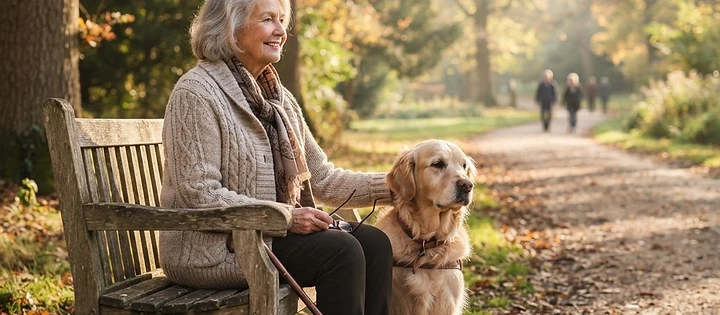
For older adults, a dog can be a powerful defense against isolation and inactivity. Here is how a canine companion enriches the senior years.
A Companion for the Senior Years
The senior years can be a time of great richness and reflection, but they can also bring challenges: isolation, reduced activity, and a sense of disconnection. A dog can be a powerful antidote to these challenges, providing companionship, purpose, and a reason to stay engaged with life.
For many older adults, a dog is not just a pet but a lifeline, a source of joy, and a daily companion who makes the senior years richer and more fulfilling.
How Dogs Help Seniors Stay Active
Daily Walks
A dog needs to be walked, which means their owner walks too. This daily exercise is one of the most important things an older adult can do for their health. Walking supports cardiovascular health, joint mobility, balance, and mental well-being.
For seniors who might otherwise be sedentary, a dog provides a gentle, daily reason to get up, get out, and move.
Outdoor Time
Dogs need outdoor time, which means their owners spend time outdoors too. Fresh air, sunshine, and contact with nature are all beneficial for physical and mental health. A dog is a reason to be outside, every day, in all seasons.
Physical Activity
Beyond walks, playing with a dog, grooming, and caring for them all involve physical activity. This gentle, daily movement supports mobility and independence.
Maintaining Strength
The physical activity that comes with dog ownership helps seniors maintain muscle strength and joint flexibility. This is important for preventing falls and preserving independence.
How Dogs Help Seniors Stay Engaged
Daily Purpose
A dog gives each day a sense of purpose. The dog needs to be fed, walked, and cared for, regardless of how the owner feels. This daily responsibility provides structure and meaning, which are powerful defenses against depression and apathy.
Companionship
For seniors who live alone, a dog is a constant companion. The house is not empty; there is a living being who is glad to see you, who wants your attention, and who offers unconditional love.
This companionship is profoundly important. Loneliness is a serious health risk for seniors, and a dog is a direct, effective antidote.
Social Connection
Dogs are social magnets. Walking a dog, visiting a park, or attending a training class opens conversations and connections with other people. For a senior who might otherwise be isolated, a dog can be a bridge to community.
Mental Stimulation
Caring for a dog involves problem-solving, learning, and engagement. Training, managing health, and responding to the dog's needs keep the mind active and sharp.
Routine and Structure
Dogs thrive on routine, and so do humans. The daily rhythm of feeding, walking, and caring for a dog provides structure that supports mental health and cognitive function.
How Dogs Support Senior Mental Health
Reducing Depression
The companionship, purpose, and activity that come with dog ownership are powerful defenses against depression. Studies show that seniors with dogs report higher levels of life satisfaction and lower rates of depression.
Reducing Anxiety
The calming presence of a dog lowers stress and anxiety. The routine of dog care provides a sense of control and predictability, which is comforting for seniors facing the uncertainties of aging.
Providing Comfort
For seniors who have lost a spouse, friends, or a sense of purpose, a dog offers comfort and a new source of love. The bond with a dog can be deeply healing.
Offering Unconditional Acceptance
Dogs do not judge. They love you regardless of your age, your health, or your circumstances. This unconditional acceptance is a powerful source of self-esteem and emotional well-being.
Choosing the Right Dog for a Senior
Consider Energy Level
A senior may want a dog with a calmer energy level, not a high-energy puppy. An adult or senior dog may be a better fit than a puppy.
Consider Size
A very large, strong dog may be difficult for a senior to manage. A small or medium dog is often a better choice, especially for walking and handling.
Consider Temperament
A gentle, well-socialized dog is ideal. A dog who is calm, friendly, and easy to handle is a good match for most seniors.
Consider Care Needs
Some breeds require extensive grooming or have high health needs. A senior may prefer a dog with lower maintenance requirements.
Consider Adoption
Adopting an adult or senior dog from a rescue can be a wonderful option. These dogs are often already trained and have known temperaments, which makes the match easier.
How to Support a Senior With a Dog
Help With Care
If you have a senior family member with a dog, offer to help with care. Walking, grooming, or taking the dog to the vet can be a big help.
Plan for the Future
Discuss what will happen to the dog if the senior can no longer care for them. Having a plan provides peace of mind and ensures the dog will always be cared for.
Encourage the Bond
Celebrate the relationship between the senior and their dog. The bond is a source of joy and health, and supporting it supports the senior.
Be Aware of Challenges
Be aware of the potential challenges: the risk of falls, the physical demands of dog care, and the eventual loss of the dog. Offer support and be prepared to help if challenges arise.
The Mutual Benefit
The benefit of the senior-dog relationship is not one-directional. Dogs benefit from the companionship, care, and love of a senior owner. A senior who is home much of the day can provide the constant companionship that many dogs crave.
This mutual benefit is part of what makes the relationship so special. Both the senior and the dog give and receive, and both are enriched.
The Bottom Line
For seniors, a dog can be a powerful defense against isolation, inactivity, and depression. A dog provides companionship, purpose, and a reason to stay active and engaged with life.
If you are a senior considering a dog, or if you are helping a senior family member consider one, know that a dog can be one of the best things for health, happiness, and quality of life in the senior years.
The bond between a senior and a dog is a special one, built on companionship, mutual need, and unconditional love. It is a bond that can make the senior years not just more comfortable, but more joyful, more meaningful, and more alive.