Benefits of Adoption
How Adoption Teaches Children About Responsibility and Empathy
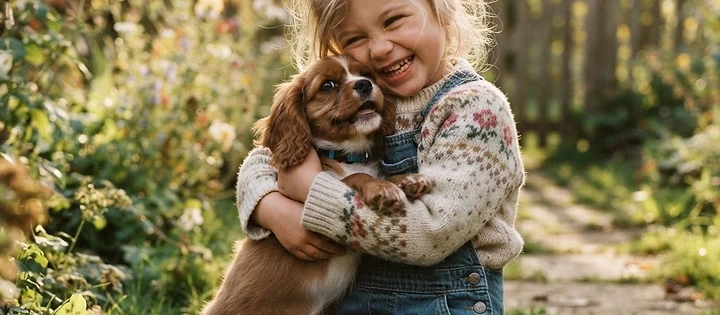
Bringing a dog into your family is a powerful way to teach children life lessons. Here is how adoption builds responsibility, empathy, and character.
Lessons That Last a Lifetime
A family dog is more than a companion. For children, a dog is a teacher. Through the daily care, training, and love of a dog, children learn some of life's most important lessons: responsibility, empathy, patience, and the value of commitment.
These lessons, learned through the real, daily experience of caring for another living being, shape who children become and how they relate to the world.
Teaching Responsibility
Daily Care
A dog needs care every single day. Feeding, walking, grooming, and training are not optional. When children participate in these tasks, they learn what it means to be responsible for another being.
They learn that the dog depends on them, not just sometimes but always. This daily responsibility builds habits of reliability and care that carry into every part of life.
Following Through
A dog teaches children that commitments must be followed through, even when it is inconvenient. The dog needs to be walked whether it is raining or sunny. The dog needs to be fed whether you are tired or busy. This lesson in consistency is powerful.
Consequences and Accountability
When a child forgets to feed the dog or leave water out, the dog suffers. This natural consequence teaches accountability in a way that lectures cannot. Children learn that their actions, or inactions, have real effects on others.
Long-Term Commitment
A dog is a 10 to 15 year commitment. Children who grow up with a dog learn that some commitments are long-term and require sustained effort. This is a lesson that prepares them for future responsibilities in school, work, and relationships.
Teaching Empathy
Recognizing Needs
Dogs cannot tell you in words what they need. Children learn to read their dog's body language, behavior, and signals to understand when they are hungry, tired, scared, or in pain. This skill of reading another being is the foundation of empathy.
Responding With Care
Once children recognize a need, they learn to respond with care. They learn to be gentle when the dog is scared, patient when the dog is slow, and comforting when the dog is sick. This responsive care builds the habit of empathy.
Understanding Different Perspectives
A dog experiences the world differently than a human. Children learn that another being may see, hear, and feel things differently than they do. This understanding of different perspectives is a core component of empathy.
Compassion for Vulnerability
A dog is vulnerable in ways that humans are not. They depend entirely on their family for food, shelter, health, and love. Children who care for a dog learn compassion for vulnerability, which extends to how they treat other people, especially those who are vulnerable.
Teaching Patience
Training Takes Time
Training a dog does not happen overnight. Children learn that progress is gradual, that setbacks are normal, and that patience and consistency produce results. This lesson in patience applies to every area of life.
Reading a Dog's Pace
Every dog learns at their own pace. Children learn to meet the dog where they are, rather than rushing them. This teaches patience with others and with themselves.
Managing Frustration
Dogs can be frustrating. They have accidents, chew things, and do not always listen. Children learn to manage their frustration, to stay calm, and to respond with patience rather than anger. This emotional regulation is a critical life skill.
Teaching Respect
Respecting Boundaries
Dogs have boundaries. They need rest, space, and quiet time. Children learn to respect these boundaries, which teaches them to respect the boundaries of others.
Respecting Another Being
A dog is not a toy. They are a living being with their own needs, preferences, and dignity. Children who learn to respect a dog learn to respect all living beings.
Gentle Handling
Children learn to handle a dog gently: to pet softly, to approach calmly, to play appropriately. This gentle handling teaches respect for physical boundaries and for the physical well-being of others.
Teaching About Life and Loss
The Cycle of Life
A dog's life is shorter than a child's. For many children, the loss of a family dog is their first experience with death. This experience, while painful, teaches important lessons about the cycle of life.
Grief and Healing
Through the loss of a dog, children learn about grief. They learn that it is okay to be sad, that grief is a part of love, and that healing comes with time. These lessons help them face loss throughout their lives.
The Value of the Time We Have
The loss of a dog teaches children that life is precious and that the time we have with those we love is valuable. This lesson, while learned through sadness, shapes how children appreciate relationships throughout their lives.
How to Maximize the Lessons
Involve Children in Care
Give children age-appropriate responsibilities for the dog's care. Young children can help with feeding and brushing; older children can help with walking and training.
Model Compassionate Care
Children learn by watching. Model the care, patience, and respect you want them to learn. How you treat the dog is how they will learn to treat the dog, and others.
Talk About the Dog's Needs
Discuss the dog's needs and feelings with your children. Help them understand why the dog behaves certain ways and what they might be feeling.
Praise Responsible Behavior
When children care for the dog responsibly, acknowledge and praise their effort. Positive reinforcement works for children just as it does for dogs.
Use Challenges as Learning Opportunities
When the dog has an accident, chews something, or behaves in a challenging way, use it as a teaching moment. Discuss what happened, why, and how to respond with patience and care.
The Gift That Keeps Giving
The lessons a dog teaches a child are not temporary. They shape the adult the child becomes. Children who grow up with dogs tend to be more empathetic, more responsible, and more patient. They understand commitment, they respect life, and they know how to care for others.
If you are considering a dog for your family, know that you are giving your children far more than a pet. You are giving them a teacher who will shape their character, their relationships, and their understanding of the world for the rest of their lives.
The lessons learned through the love and care of a dog are among the most valuable a child can learn. And they are lessons that will serve them, and the people they love, for a lifetime.