Benefits of Adoption
How Adoption Teaches Children Compassion and Responsibility
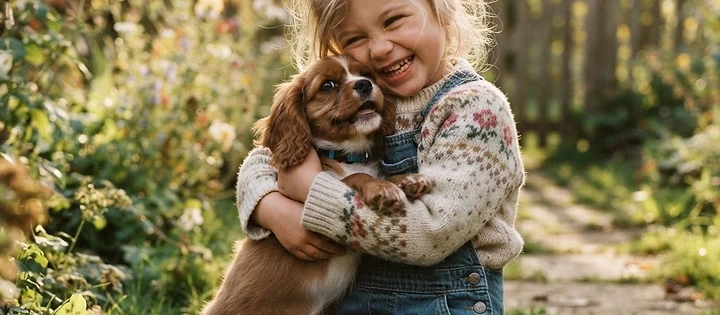
Growing up with an adopted dog is one of the most powerful ways to teach children compassion, responsibility, and empathy. Here is how the experience shapes them.
A Living Lesson
Growing up with a dog is one of the most powerful ways to teach children compassion, responsibility, and empathy. When that dog is adopted, the lessons are even deeper. Children learn about second chances, about the needs of others, and about the impact of their choices.
A dog is a living, breathing being who depends on the family for everything. This dependence creates a natural opportunity for children to learn about care, empathy, and responsibility. Here is how the experience of adoption and dog ownership shapes children.
Lessons in Compassion
Understanding Another's Needs
A dog has needs that are different from a human's, but no less real. Children learn to recognize and respond to these needs: when the dog is hungry, needs to go out, wants to play, or is scared. This understanding of another's needs is the foundation of compassion.
Recognizing Emotions
Dogs have emotions: joy, fear, excitement, contentment, anxiety. Children learn to recognize these emotions in their dog, which builds empathy and the ability to read emotions in others.
Responding to Suffering
If the dog is sick, hurt, or scared, children learn to respond with care and comfort. This response to suffering is a core element of compassion that will serve children throughout life.
Valuing All Beings
Growing up with a dog teaches children that animals are living beings with value and worth. This valuing of all beings extends to how children treat other animals, other people, and the world.
Learning About Second Chances
If the dog is adopted, children learn about second chances. They learn that a dog who had a difficult past can have a bright future. This lesson in hope and redemption is powerful and shapes how children view people and situations.
Understanding Different Pasts
An adopted dog may have a different past from the family. Children learn that beings come from different places and experiences, and that compassion means meeting them where they are.
Lessons in Responsibility
Daily Care
A dog needs daily care: feeding, walking, water, and attention. Children learn that another being depends on them, and this dependence teaches responsibility in a real, tangible way.
Consistency
A dog needs consistent care, not just when it is convenient. Children learn that responsibility means showing up every day, regardless of how they feel or what else is happening.
Putting Others First
Sometimes, the dog's needs come before the child's desires. The dog needs to go out even if the child wants to keep playing. This lesson in putting others first is a core element of responsibility.
Following Through
Caring for a dog requires following through on commitments: feeding, walking, vet visits, and training. Children learn that responsibility means following through, even when it is hard or boring.
Age-Appropriate Tasks
Children can take on age-appropriate tasks in caring for the dog. Young children can help fill the water bowl; older children can take on feeding, walking, or training. These tasks build responsibility gradually.
Consequences of Actions
Children learn that their actions have consequences. If they forget to feed the dog, the dog goes hungry. If they leave the gate open, the dog might get out. These real consequences teach responsibility in a way that lectures cannot.
Lessons in Empathy
Seeing From Another's Perspective
Caring for a dog requires seeing the world from the dog's perspective. Children learn to ask: What does the dog need? What are they feeling? What are they trying to tell me? This perspective-taking is the foundation of empathy.
Responding to Non-Verbal Communication
Dogs communicate through body language, not words. Children learn to read the dog's body language and respond appropriately. This skill in non-verbal communication extends to how they read and respond to people.
Understanding Fear and Anxiety
If the dog is scared or anxious, children learn to respond with comfort and patience. This understanding of fear and anxiety, and how to respond to it, is a deep form of empathy.
Respecting Boundaries
Children learn to respect the dog's boundaries: when the dog wants to be left alone, when they do not want to be touched, when they are eating. This respect for boundaries extends to how they treat people.
Connecting With a Different Being
A dog is a different species, with a different way of experiencing the world. Connecting with a dog teaches children to bridge differences and to find common ground with beings who are not like them. This skill is invaluable in a diverse world.
Lessons From the Adoption Story
The Story of the Dog
Every adopted dog has a story. Sharing this story with children teaches them about the dog's journey, about the challenges they faced, and about the love that brought them to the family. This story is a lesson in compassion and hope.
The Decision to Adopt
Children can learn about the decision to adopt: why the family chose adoption, what they considered, and how they prepared. This teaches children about thoughtful, compassionate choices.
The Adjustment
The adjustment period, with its challenges and triumphs, is a lesson in patience and perseverance. Children learn that good things take time and that patience is rewarded.
The Transformation
Watching a rescue dog transform from uncertain to confident, from withdrawn to joyful, is a powerful lesson in the impact of love and patience. Children see, firsthand, that their care makes a difference.
How to Maximize the Lessons
Involve Children in Care
Involve children in the dog's care, age-appropriately. Give them tasks, responsibilities, and opportunities to contribute. This involvement is how the lessons are learned.
Talk About the Dog's Feelings
Talk with children about the dog's feelings. Ask: How do you think the dog is feeling? Why? What should we do? These conversations build empathy and understanding.
Model Compassionate Behavior
Model the compassionate behavior you want to see. Children learn by watching. If you treat the dog with kindness, patience, and respect, children will learn to do the same.
Talk About the Adoption Story
Share the dog's adoption story with children. Talk about where the dog came from, what they experienced, and how they came to the family. This story is a powerful teacher.
Encourage Questions
Encourage children to ask questions about the dog, about adoption, and about animal welfare. These questions are opportunities for learning and for deepening compassion.
Use Teachable Moments
Use everyday moments to teach. When the dog is scared, talk about fear and how to help. When the dog learns something new, talk about patience and perseverance. These moments are the best teachers.
Connect to Broader Issues
Connect the experience with the dog to broader issues: animal welfare, adoption, compassion for all beings. These connections help children see the bigger picture and develop a compassionate worldview.
Volunteer Together
Consider volunteering together at a shelter or rescue. This hands-on experience deepens compassion and teaches children about the needs of animals in their community.
The Long-Term Impact
The lessons children learn from growing up with an adopted dog stay with them for life. Children who learn compassion, responsibility, and empathy through dog ownership grow into adults who are more compassionate, responsible, and empathetic. These values shape their relationships, their choices, and their contributions to the world.
The impact extends beyond the individual child. Children who learn these values carry them into their families, their communities, and their future roles as parents, citizens, and leaders. The lessons of compassion and responsibility, learned through a dog, ripple outward in ways that are hard to measure but are real and significant.
The Bottom Line
Growing up with an adopted dog is one of the most powerful ways to teach children compassion, responsibility, and empathy. Through caring for the dog, understanding their needs and feelings, and witnessing the transformation that love can bring, children learn lessons that shape who they become.
If you have children and are considering a dog, know that the experience will be a teacher as well as a joy. The lessons your children learn, about compassion, responsibility, and empathy, will stay with them for life and will shape the adults they become.
A dog is more than a pet. For a child, a dog is a teacher, a friend, and a living lesson in what it means to care for another being. The lessons learned through this relationship are among the most valuable a child can learn, and they are lessons that will serve them, and the world, for a lifetime.