Ethical Breeding
Health Testing in Dog Breeding: What Every Adopter Should Know
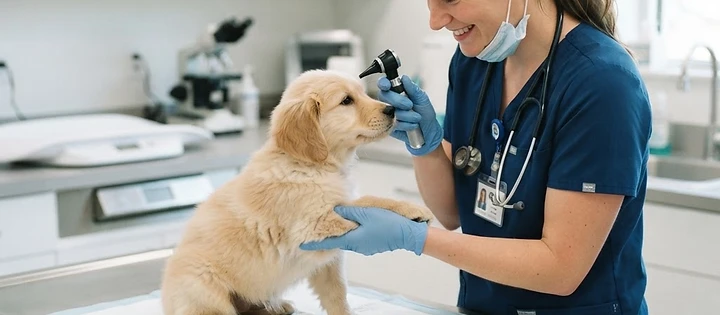
Genetic health testing is the foundation of ethical breeding. Here is what tests matter, what results mean, and how to ask the right questions before you adopt.
Why Health Testing Matters
Genetic health conditions can lurk unseen in even the most beautiful, energetic dogs. Without testing, these conditions pass silently from generation to generation, producing puppies who may develop painful, expensive, or life-shortening diseases.
Health testing is how ethical breeders break that cycle. By identifying carriers and affected dogs before breeding, they make informed pairing decisions that reduce the risk of passing on inherited disease.
Common Health Tests by Category
Joint and Skeletal Testing
- Hip Evaluation (OFA or PennHIP): Screens for hip dysplasia, a common and painful joint condition that can lead to arthritis.
- Elbow Evaluation: Screens for elbow dysplasia, which can cause lameness and chronic pain.
- Patellar Luxation: Checks for kneecap displacement, common in small breeds.
Eye Testing
- CERF or OFA Eye Exam: Screens for inherited eye diseases like cataracts, progressive retinal atrophy (PRA), and glaucoma.
- PRA Genetic Test: Identifies carriers of progressive retinal atrophy, which causes blindness.
Heart Testing
- Cardiac Exam (OFA or ACVIM): Screens for congenital heart defects like subaortic stenosis and mitral valve disease.
Genetic Disease Testing
Different breeds have different inherited diseases. A responsible breeder tests for the conditions relevant to their breed. Examples include:
- Degenerative Myelopathy (DM): A progressive spinal cord disease
- Exercise-Induced Collapse (EIC): A condition causing weakness after exertion
- Von Willebrand's Disease: A bleeding disorder
- MDR1 Gene Mutation: Drug sensitivity that can cause severe reactions to common medications
Breed-Specific Tests
- Goldendoodles: Often tested for hip dysplasia, eye diseases, heart conditions, and genetic diseases common to both Golden Retrievers and Poodles
- Standard Breeds: Each has its own set of recommended tests established by the breed's parent club
What Test Results Mean
Clear
The dog does not carry the gene for the tested condition. This is the ideal result.
Carrier
The dog carries one copy of the gene but is not affected. When bred to another carrier, some puppies may be affected. Ethical breeders pair carriers only with clear dogs.
Affected
The dog has two copies of the gene and may develop the disease. Responsible breeders do not breed affected dogs for conditions that impact quality of life.
Normal or Excellent (for joint and eye exams)
The dog's joints or eyes show no signs of disease at the time of evaluation.
How to Verify Health Testing
A responsible breeder will show you the actual test results, not just claim they were done. You can verify many results through the Orthopedic Foundation for Animals (OFA) database by searching the dog's registered name or number.
Ask to see:
- OFA or PennHIP certificates for hips and elbows
- Eye exam results from a board-certified veterinary ophthalmologist
- Cardiac exam results from a veterinary cardiologist
- Genetic test results from a reputable laboratory
Questions to Ask Your Breeder
- What health tests have you done on the parents of this litter?
- Can I see the actual test results?
- Why did you choose this particular pairing?
- What health conditions are common in this breed, and how do you address them?
- What is your health guarantee, and what does it cover?
Red Flags
- No health testing done or claimed to be unnecessary
- Vague claims of health without documentation
- Refusal to show test results
- Testing for only a few conditions when the breed requires many
- Breeding dogs with known genetic conditions
The Investment Behind Health Testing
Health testing costs a breeder hundreds to thousands of dollars per dog. This is one reason ethically bred puppies cost more. But that investment is what gives you confidence in your puppy's genetic health and saves you from potentially devastating veterinary bills.
Health Testing Is Not a Guarantee
Even with the most thorough testing, no breeder can guarantee a puppy will never develop a health issue. But testing dramatically reduces the risk and shows the breeder is doing everything possible to produce healthy dogs.
The Bottom Line
Health testing is the backbone of ethical breeding. When you choose a breeder who tests, you are choosing a partner who puts health first. Ask questions, verify results, and expect transparency. Your future companion deserves the best possible start.