Benefits of Adoption
The Healing Power of Dogs for People Facing Life Challenges
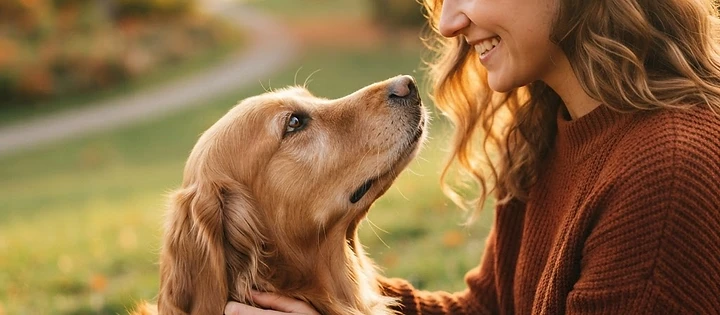
For people facing grief, illness, or major life transitions, a dog can be a source of comfort and healing. Here is how dogs help us through our hardest times.
A Steady Presence in Hard Times
Life brings challenges: grief, illness, loss, transitions. In these hard times, a dog can be a steady, healing presence. They do not offer solutions, but they offer something just as valuable: unconditional love, companionship, and a reason to keep going.
For people facing life's most difficult moments, a dog can be a lifeline. Here is how dogs help us heal.
Dogs and Grief
A Presence That Does Not Judge
Grief can be isolating. Friends may not know what to say, and family may be caught up in their own sorrow. A dog simply sits with you. They do not judge your tears, they do not offer advice, and they do not grow uncomfortable with your sadness. They are just present.
A Connection to the Present
Grief often pulls us into the past or into anxiety about the future. A dog lives in the present. Their need for food, walks, and attention gently pulls us back to the present moment, which is a gentle form of mindfulness.
A Reason to Get Up
In the depths of grief, getting out of bed can feel impossible. A dog who needs to be fed and walked provides a reason to get up, a small but essential structure that supports healing.
Physical Comfort
The physical presence of a dog, their warmth, their weight, their steady breathing, is deeply comforting. Studies show that petting a dog lowers stress hormones and increases bonding hormones, which supports emotional healing.
A New Bond
For someone who has lost a spouse, a friend, or even another pet, a dog can offer a new bond. This bond does not replace what was lost, but it provides a new source of love and connection that can be profoundly healing.
Dogs and Illness
Companionship During Treatment
For people facing serious illness, a dog provides companionship during a lonely and frightening time. They are there during recovery, during treatment, and during the long days at home.
Motivation to Stay Active
Illness can lead to inactivity, which worsens physical and mental health. A dog provides a gentle motivation to stay active, to walk, to move, which supports recovery and well-being.
Stress Reduction
The stress of illness is significant. A dog's calming presence reduces stress, which supports the immune system and overall health. The simple act of petting a dog can lower blood pressure and reduce anxiety.
A Sense of Purpose
Illness can strip away a person's sense of purpose. A dog gives that purpose back. The dog needs care, and providing that care gives the person a role and a reason to engage with the day.
Unconditional Acceptance
Illness can affect how a person looks, how much energy they have, and what they can do. A dog does not care. They love you the same, whether you are at your best or at your lowest. This unconditional acceptance is deeply healing.
Dogs and Major Life Transitions
Moving to a New Home
A move can be disorienting and lonely. A dog provides continuity and companionship in a new place. They help you establish a routine and can be a bridge to your new community through walks and encounters with neighbors.
Retirement
Retirement can bring a loss of identity and purpose. A dog provides a new source of purpose and a daily structure that supports mental health during this transition.
Empty Nest
When children leave home, the house can feel empty. A dog fills the home with life and gives parents something to nurture and care for, which eases the transition.
Divorce or Relationship Loss
The end of a relationship is a profound loss. A dog offers unconditional love and companionship during a time when a person may feel unloved or alone.
Job Loss
Losing a job can shake a person's identity and confidence. A dog provides a constant, a presence that is not affected by employment status, and a reason to maintain a routine during a disorienting time.
Dogs and Mental Health Challenges
Depression
For people living with depression, a dog provides companionship, purpose, and a reason to engage with the day. The unconditional love of a dog can be a lifeline during the darkest times.
Anxiety
The calming presence of a dog reduces anxiety. The routine of dog care provides structure, and the physical act of petting a dog soothes the nervous system.
PTSD
For people with PTSD, dogs can be especially healing. Service dogs are trained to help with PTSD symptoms, but even a pet dog can provide grounding, comfort, and a sense of safety.
Loneliness
For people who are lonely, a dog is a constant companion. The house is not empty, the day is not without interaction, and the bond with a dog can be deeply meaningful.
How to Let a Dog Help You Heal
Be Present
When you are with your dog, be present. Put away your phone, be fully engaged, and let the connection do its work.
Walk Daily
Walk your dog daily. The exercise, fresh air, and companionship are powerful healers.
Talk to Your Dog
It may feel silly, but talking to your dog can be therapeutic. They listen without judgment, and the act of putting feelings into words can help you process them.
Let Them Comfort You
When you are sad, anxious, or struggling, let your dog comfort you. Their presence is healing, and allowing yourself to receive comfort is part of the process.
Maintain Routine
The routine of dog care is healing. Maintain the feeding, walking, and sleeping schedule, and let it anchor your days.
Seek Additional Support if Needed
A dog is a wonderful companion, but they are not a substitute for professional help. If you are struggling with grief, illness, or mental health, seek support from a therapist, counselor, or support group.
The Mutual Healing
The healing that happens between a person and a dog is not one-directional. Dogs benefit from the bond as much as humans do. A dog who is loved, cared for, and engaged with their human is a happier, healthier dog.
This mutual healing is part of what makes the relationship so special. Both the person and the dog give and receive, and both are enriched.
The Bottom Line
For people facing life's hardest challenges, a dog can be a source of comfort, healing, and hope. Their unconditional love, their steady presence, and their daily needs provide a lifeline during difficult times.
If you are going through a hard time and you have a dog, let them help you heal. If you are considering a dog and you are ready for the commitment, know that the healing bond with a dog is one of the most powerful forms of support available.
Dogs do not fix everything, but they make the hard times more bearable and the good times more joyful. And that is a gift that is beyond measure.