Benefits of Adoption
The Healing Power of Dogs for People Dealing With Grief
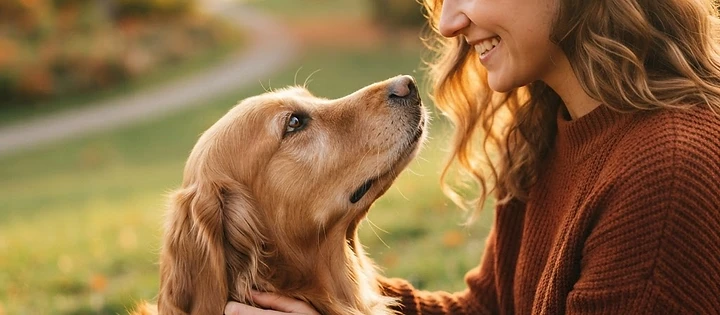
In times of loss, a dog's steady presence can be a lifeline. Here is how dogs help people navigate grief and find their way back to joy.
A Steady Presence in the Storm
Grief is one of the hardest experiences a person can face. Whether grieving the loss of a loved one, the end of a relationship, or a major life change, the pain can be overwhelming. In this storm, a dog's steady presence can be a lifeline.
Dogs do not fix grief, but they make it more bearable. They offer a presence that is constant, non-judgmental, and deeply comforting. Here is how dogs help people navigate grief and find their way back to joy.
What Dogs Offer in Grief
Constant Companionship
Grief can be isolating. People may withdraw from friends and family, either because they do not have the energy to engage or because they feel others do not understand. A dog is a constant companion who is always there, without requiring conversation or explanation.
Non-Judgmental Presence
A dog does not judge how you grieve. They do not tell you to move on, to be strong, or to stop crying. They accept your feelings, whatever they are, and offer their presence without conditions.
Physical Comfort
The physical presence of a dog is comforting. Their warmth, their weight, their breathing, all of these provide a sensory comfort that is deeply soothing. Stroking a dog has been shown to reduce stress and lower blood pressure.
A Reason to Get Up
Grief can make it hard to get out of bed, to face the day, to engage with life. A dog needs to be fed, walked, and cared for. This need gives the grieving person a reason to get up and to keep going, even when it is hard.
A Reason to Go Outside
A dog needs to go outside, which gets the grieving person outside too. Time outdoors, in fresh air and nature, is beneficial for mental health and can ease the symptoms of grief.
A Reason to Connect
A dog provides a reason to connect with others. Walks, parks, and dog-friendly spaces open conversations and interactions that might not happen otherwise. This connection can reduce the isolation of grief.
Unconditional Love
A dog's love is unconditional. They do not care if you are sad, if you are not at your best, if you are struggling. They love you fully, whatever you are going through. This unconditional love is a powerful comfort in grief.
A Focus of Care
Caring for a dog gives the grieving person something to focus on outside of their own pain. This focus on another being can provide a break from grief and a sense of purpose.
A Connection to Life
A dog is full of life. They play, they explore, they enjoy. This vitality can be a reminder that life continues, even in the midst of loss. It can be a small light in a dark time.
How Dogs Help With Specific Types of Grief
Grief Over a Lost Loved One
When a person loses a family member or close friend, a dog can provide comfort and companionship. The dog may have been loved by the person who passed, which creates a connection to them. The dog's presence can be a reminder of the love that continues.
Grief Over a Lost Pet
When a person loses a beloved dog, a new dog can help. The new dog does not replace the one who was lost, but they can fill the empty space and provide a new focus for love. The act of caring for a new dog can be healing.
Grief Over a Relationship
When a relationship ends, a dog can provide stability and comfort. The dog's constancy can be a contrast to the change and loss, and their presence can ease the loneliness.
Grief Over a Life Change
Major life changes, like retirement, a move, or a health crisis, can cause grief. A dog can provide stability and a sense of purpose during these transitions, which can ease the grief.
How to Benefit From a Dog's Healing Presence
Spend Time With Your Dog
Spend time with your dog, simply being together. The presence is the healing, so let it do its work. You do not need to do anything special; just being together is enough.
Be Present
When you are with your dog, be present. Put away your phone, let go of your thoughts, and just be with your dog. This presence is good for you and for the dog.
Walk Together
Walk with your dog daily. The combination of exercise, fresh air, and companionship is a powerful support for mental health.
Talk to Your Dog
It is okay to talk to your dog. They may not understand the words, but they understand the tone and the presence. Talking can be a way to process feelings and to feel less alone.
Let Your Dog Comfort You
If your dog comes to you when you are sad, let them comfort you. Their presence is a gift, and accepting it is good for both of you.
Care for Your Dog
Caring for your dog, feeding, walking, and grooming, provides a sense of purpose and a focus outside of grief. This care is healing for you and for the dog.
Be Patient With Yourself
Grief takes time. Be patient with yourself, and let your dog's steady presence be a support through the process. There is no timeline, and your dog will be there, whatever you need.
When to Consider Getting a Dog During Grief
Not as a Replacement
A dog should not be gotten as a replacement for a lost loved one or pet. A new dog is a new relationship, not a substitute. Be clear about this before getting a dog.
When You Have the Capacity
Make sure you have the capacity to care for a dog before getting one. A dog is a significant commitment, and if you are deep in grief, you may not have the energy. Wait until you are ready.
When You Are Ready to Connect
A dog requires connection. If you are not yet ready to connect with another being, wait. When you are ready, a dog can be a wonderful support.
Consider Fostering
If you are not sure you are ready for a permanent commitment, consider fostering. Fostering a dog allows you to experience the comfort of a dog's presence without the long-term commitment.
Consider an Adult Dog
An adult dog may be a better choice than a puppy for someone in grief. Adult dogs are often calmer and require less intensive care, which may be more manageable.
The Mutual Healing
The healing power of dogs is not one-directional. As a dog helps a person heal from grief, the person's care and love help the dog. If the dog is a rescue, they may be healing from their own past, and the love they receive helps them heal too.
This mutual healing is part of what makes the bond between humans and dogs so special. Both are healed, both are enriched, and both are better for the relationship.
The Bottom Line
In times of grief, a dog's steady presence can be a lifeline. They offer constant companionship, non-judgmental acceptance, physical comfort, a reason to get up and go outside, and unconditional love. These gifts do not fix grief, but they make it more bearable and can help a person find their way back to joy.
If you are grieving and have a dog, let their presence be a comfort. Spend time with them, walk with them, and let them be there for you. If you are considering a dog, know that their healing presence can be a support through grief, when the time is right.
A dog is not a cure for grief, but they are a companion in it. Their steady, loving presence is a gift that can carry you through the hardest times and help you find your way back to the joy of living.