Training
Crate Training Your Puppy: Building a Safe and Happy Space
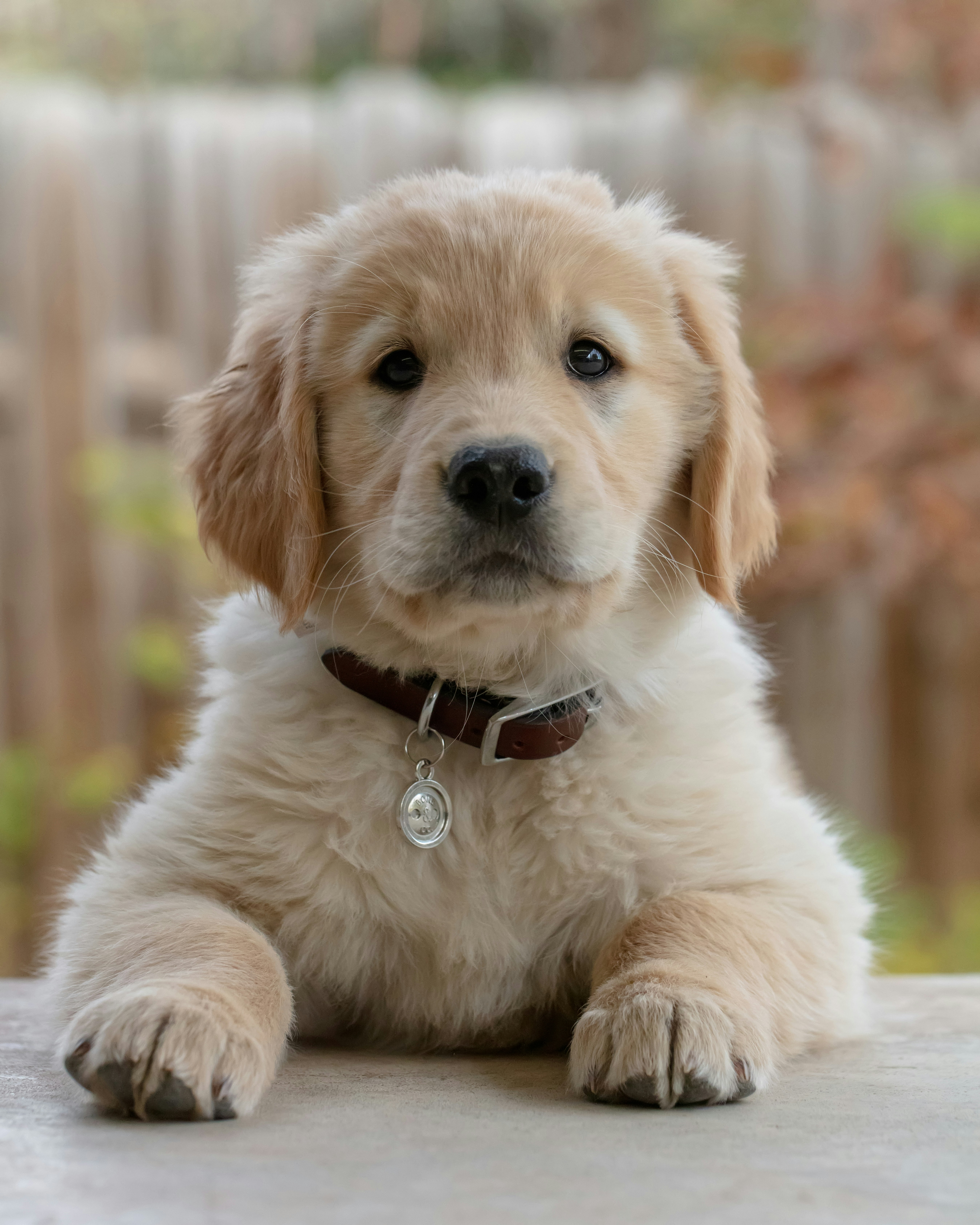
A crate is not a cage. When used correctly, it becomes your puppy's favorite retreat, a powerful potty-training tool, and a source of comfort for life.
A Crate Is Not a Prison
Many new puppy owners feel guilty about crate training, worried that a crate is like a cage. In reality, dogs are den animals by nature. A properly introduced crate becomes a safe, cozy retreat that your puppy chooses on their own, a place where they can rest, feel secure, and decompress.
A crate is also one of the most effective training tools you have. It accelerates potty training, prevents destructive behavior when you cannot supervise, keeps your puppy safe during travel, and provides a calm space during stressful moments like fireworks or visitors.
Choosing the Right Crate
Size
Your crate should be large enough for your puppy to stand up, turn around, and lie down comfortably, but not so large that they can use one corner as a bathroom and the rest as a bedroom. If you are buying a crate for a growing puppy, choose one with a divider so you can adjust the space as they grow.
Type
- Wire crates offer good ventilation and a clear view, and many fold for travel
- Plastic crates feel more den-like and are required for air travel
- Soft-sided crates are lightweight and great for calm dogs and short trips, but not for puppies who chew
The Golden Rule: Make It Positive
The biggest crate-training mistake is forcing your puppy in and shutting the door before they are ready. This creates fear and resistance. Instead, make the crate the best place in the house.
Step 1: Introduce Slowly
Place the crate in a room where the family spends time, with the door open. Toss a few treats inside. Let your puppy wander in and out on their own. Do not close the door yet.
Step 2: Feed Meals in the Crate
Place your puppy's food bowl inside the crate. This creates a powerful positive association between the crate and something wonderful. Gradually move the bowl further back each meal.
Step 3: Add a Command
Once your puppy is comfortable entering, add a word like "kennel" or "crate." Say it, toss a treat inside, and praise them when they enter.
Step 4: Close the Door Briefly
When your puppy is eating calmly inside, close the door for a few seconds, then open it. Gradually increase the time the door stays closed. Stay nearby so they feel safe.
Step 5: Step Away
Once your puppy is comfortable with the door closed for a minute, start stepping out of the room for short periods. Return before they get anxious. Build up gradually over days.
How Long Can a Puppy Stay in a Crate?
A crate is not a substitute for attention and exercise. As a guideline, a puppy can be crated for about one hour per month of age, up to a reasonable maximum:
- 8 to 10 weeks: 30 to 60 minutes at a time
- 11 to 14 weeks: 1 to 3 hours
- 15 to 16 weeks: 3 to 4 hours
- 4 months and older: 4 to 5 hours (still with plenty of breaks)
Overnight, a puppy near 16 weeks can usually sleep in a crate for about six to seven hours, but younger puppies will need a middle-of-the-night potty break.
Where to Place the Crate
For the first few weeks, place the crate in your bedroom so your puppy feels close to you at night. As they become comfortable, you can gradually move it to your preferred location. During the day, keep the crate in a room where the family spends time so your puppy does not feel isolated.
Common Mistakes to Avoid
- Using the crate as punishment. This destroys the positive association. The crate must always be a good place.
- Leaving your puppy in too long. This causes distress and forces accidents, undermining potty training.
- Letting crying control you. If you open the door every time your puppy whines, they learn that crying equals freedom. Wait for a moment of quiet before opening.
- Skipping the gradual introduction. Rushing the process creates fear that is hard to undo.
When to Stop Using the Crate
Many dogs choose to use their crate for life, retreating to it when they need rest or feel overwhelmed. You can eventually leave the door open and let your dog decide. Some dogs outgrow the need, and that is fine too. The crate has done its job by giving them a foundation of security and routine.
A Gift, Not a Punishment
When introduced with patience and positivity, a crate is one of the greatest gifts you give your puppy. It provides safety, comfort, and a sense of belonging that lasts a lifetime. Take it slow, keep it positive, and watch your puppy make the crate their own.