Ethical Breeding
The Connection Between Ethical Breeding and Canine Temperament Stability
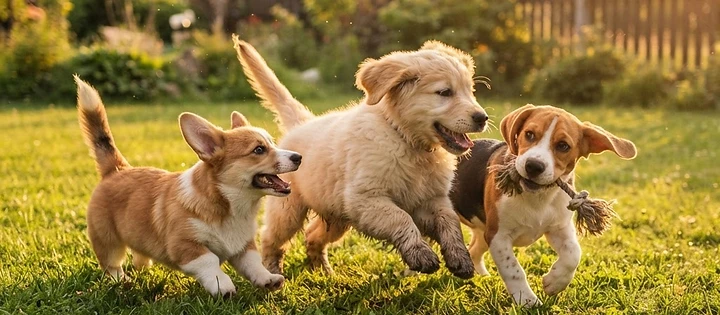
A stable temperament is one of the most valuable traits a dog can have. Here is how ethical breeding produces dogs who are confident, calm, and reliable.
The Value of a Stable Temperament
A stable temperament is one of the most valuable traits a dog can have. A dog who is confident, calm, and reliable is a joy to live with, welcome everywhere, and safe with children, strangers, and other animals.
An unstable temperament, on the other hand, can make life with a dog stressful and even dangerous. Fear, aggression, and anxiety can strain a family and limit a dog's life.
Ethical breeding plays a crucial role in producing dogs with stable temperaments. Here is how the choices a breeder makes affect the temperament of the dogs they produce.
What Temperament Stability Means
Confidence
A stable dog is confident. They approach new situations, people, and environments with curiosity rather than fear. They recover quickly from surprises and adapt to change.
Calmness
A stable dog is calm. They do not overreact to stimuli, they can relax in a variety of settings, and they are not chronically anxious or stressed.
Reliability
A stable dog is reliable. Their behavior is predictable. You can trust them around children, strangers, and other animals. They do not have sudden, unexplained aggressive episodes.
Resilience
A stable dog is resilient. They bounce back from challenges, they do not hold onto fear or stress, and they can handle the normal ups and downs of life.
Sociability
A stable dog is sociable. They enjoy the company of people and other dogs, they are not aggressive or reactive, and they can participate in family life and community activities.
How Breeding Affects Temperament
Genetics
Temperament is partly genetic. Dogs inherit tendencies toward confidence, fear, aggression, and sociability from their parents. A breeder who selects breeding dogs with stable temperaments is more likely to produce puppies with stable temperaments.
Early Socialization
Temperament is also shaped by early experience. Puppies who are properly socialized in their first weeks are more likely to develop into confident, well-adjusted adults. A breeder who provides early socialization is building the foundation for a stable temperament.
Maternal Influence
The mother's temperament affects her puppies. A calm, confident mother models calm, confident behavior. A fearful, stressed mother may pass on her anxiety. A breeder who selects calm, confident mothers is giving her puppies a strong start.
Environment
The environment in which puppies are raised affects their temperament. A calm, enriched, loving environment produces calmer, more confident puppies. A stressful, deprived environment can produce fearful, anxious puppies.
How Ethical Breeders Produce Stable Temperaments
Selecting for Temperament
Ethical breeders evaluate the temperament of their breeding dogs and only breed those with stable, confident temperaments. Dogs with fear, aggression, or instability are not bred, no matter how beautiful they are.
Considering Both Parents
Temperament is influenced by both parents. Ethical breeders consider the temperament of both the mother and the father, and how their temperaments might combine in their puppies.
Looking at Multiple Generations
Temperament runs in lines. Ethical breeders look at the temperaments of parents, grandparents, and other relatives to understand what a breeding might produce.
Providing Early Socialization
Ethical breeders provide extensive early socialization. They expose puppies to different people, sounds, surfaces, and experiences in a positive, gradual way, building confidence and resilience.
Ensuring a Calm Environment
Ethical breeders raise puppies in a calm, enriched, loving environment. This reduces stress and supports the development of a stable temperament.
Keeping Puppies With Their Mother and Littermates
Puppies learn crucial social skills from their mother and littermates. Ethical breeders keep puppies with their family until at least 8 weeks, and often longer, to ensure they receive this education.
Using Positive Reinforcement
Ethical breeders use positive reinforcement in their interactions with puppies. This builds trust, confidence, and a positive association with humans.
How Unethical Breeding Produces Unstable Temperaments
No Temperament Selection
Breeders who do not consider temperament may breed dogs with fear, aggression, or instability, which can be passed to their puppies.
No Socialization
Puppies raised without socialization miss the critical window for building confidence. They may grow up fearful, anxious, and unable to adapt.
Stressful Environments
Puppies raised in stressful, deprived environments, like puppy mills, are more likely to develop temperament problems. Chronic stress affects brain development and can produce lifelong anxiety.
Early Separation
Puppies separated from their mother and littermates too early miss crucial social education. This can lead to behavioral problems, including fear, aggression, and difficulty with other dogs.
Negative Interactions
Breeders who use punishment or harsh handling create fear and anxiety in puppies, which can lead to unstable temperaments.
How to Ask a Breeder About Temperament
- How do you evaluate temperament in your breeding dogs?
- What temperament traits do you breed for?
- What is the temperament of this puppy's parents?
- How do you socialize your puppies to build stable temperaments?
- Can you describe the temperaments of puppies you have produced in the past?
A responsible breeder will answer these questions with depth and specificity.
What to Listen For
Good answers include specifics:
- We only breed dogs with stable, confident temperaments
- We breed for a friendly, adaptable temperament that suits families
- The parents of this litter are calm, confident, and sociable
- We socialize our puppies with different people, sounds, and experiences
- Our previous puppies have become therapy dogs, family pets, and obedience competitors
Vague answers are a warning sign:
- Our dogs have good temperaments
- They are friendly
- They are good with kids
Without specifics, these claims mean little.
Your Role in Developing a Stable Temperament
While breeding is a major factor, you also play a crucial role in developing your puppy's temperament. Here is what you can do:
Continue Socialization
Keep exposing your puppy to new experiences, people, and environments in a positive, gradual way. The socialization window does not close at 8 weeks; it continues for months.
Use Positive Reinforcement
Train your puppy using positive reinforcement. This builds trust, confidence, and a positive relationship.
Provide a Calm, Stable Home
A calm, stable home environment supports a stable temperament. Avoid chaos, inconsistency, and harsh corrections.
Be Patient
Temperament development takes time. Be patient with your puppy as they grow and learn. Consistency and patience produce the best results.
Seek Help if Needed
If you notice signs of fear, aggression, or anxiety, seek help from a positive-reinforcement trainer or behaviorist. Early intervention is more effective than waiting.
The Bottom Line
A stable temperament is one of the most valuable traits a dog can have, and ethical breeding is one of the most important factors in producing it. By selecting for temperament, providing early socialization, and raising puppies in a calm, loving environment, ethical breeders produce dogs who are confident, calm, and reliable.
When you choose an ethical breeder who prioritizes temperament, you are more likely to bring home a dog who is a joy to live with, safe with your family, and welcome in your community.
Ask about temperament, and choose a breeder who breeds for the qualities that matter most. A stable temperament is a gift that will make your life with your dog richer, safer, and more joyful for years to come.