Pet Care Guide
Why You Should Get Pet Insurance for Your Puppy
Not because something is wrong with your puppy — because the first year is unpredictable, and a single emergency can cost more than years of cover. Here is the honest version, including when you may not need it.
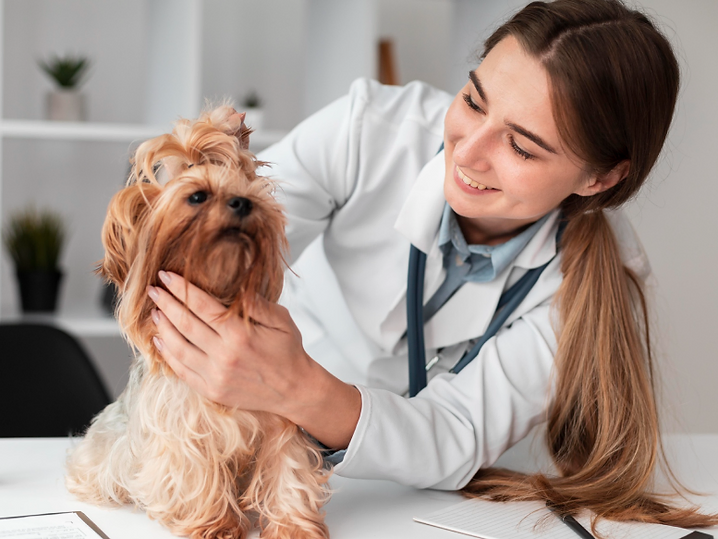
The Reality
The bill nobody plans for.
A puppy's first year is a series of small decisions and one or two sudden ones. Most families budget carefully for food, vaccines, a crate and a first collar. Very few budget for the night their puppy swallows something they should not have.
Emergency medicine is priced like emergency medicine. A single overnight stay can cost more than everything else in that first year combined, and the decision about treatment is made in minutes, in a clinic, with a bill in front of you.
That gap is what insurance exists to close. It is not a savings plan and it is not routine care — it is there so that one bad afternoon does not become a financial decision you cannot undo.
Typical U.S. costs
What the big bills look like
- Emergency visit and overnight observation
- $1,000 – $3,000
- Surgery to remove a swallowed object
- $2,000 – $5,000
- Repair of a broken leg
- $2,500 – $5,000
- Cruciate ligament surgery
- $3,000 – $6,000
- Cancer treatment, a full course
- $5,000 and up
Broad U.S. ranges for illustration, not a quote. Your veterinarian's estimate is the only number that matters.
Six Reasons
Why families insure a new puppy.
None of these are about expecting the worst. They are about being able to say yes to the treatment your vet recommends.
One accident can outrun years of premiums
A swallowed toy, a broken leg or a weekend emergency visit can cost more than a policy does in several years. Insurance turns a bill you cannot plan for into a monthly amount you can.
Puppies investigate with their mouths
Foreign-object surgery is one of the most common large claims in a puppy's first year. Socks, corn cobs, chew toys and chocolate all arrive without warning.
Breed risks are real, and often expensive
Breathing surgery for a flat-faced breed, joint repair in a retriever, or lifelong allergy management for a terrier. Knowing your breed's likely conditions tells you how much cover to carry.
You decide the treatment
The hardest part of a serious diagnosis is rarely the diagnosis. With cover in place, the conversation with your vet stays about what is best for your puppy.
Young and healthy is the cheapest day to enrol
Conditions that appear before cover starts, or during the waiting period, are treated as pre-existing and excluded. Enrolling in the first weeks keeps the most options open.
Part of our written 10-year health guarantee
Major medical coverage is required for our written 10-year health guarantee. Both the replacement and reimbursement programs depend on it being active.
Being Honest
What insurance will not do.
A guide that only lists benefits is a sales page. These three limits are the ones families are disappointed by later.
Routine care stays your budget
Vaccinations, wellness exams, flea and tick prevention, and spay or neuter are ordinary puppy costs. Most plans, ours included, keep them out of the policy.
Pre-existing conditions stay excluded
Anything that started before enrolment or during the waiting period is excluded for the life of the policy. This is the single most important thing to understand before buying.
A savings account is a fair alternative
If you could comfortably absorb a $3,000 bill tomorrow, a dedicated savings account does a similar job without a waiting period. Insurance is for the bill you could not absorb.
Read the exclusions in the policy documents themselves before you buy, from any insurer. A plan that surprises you at claim time was the wrong plan, however reasonable the monthly price looked.
Timing
When to enrol.
The date matters more than the plan. Enrolling after the first symptom is enrolling too late.
- 1
Before your puppy comes home
Choose a plan and start the policy so cover is in force by the day of pickup. This is also when your puppy is youngest, healthiest and least expensive to insure.
- 2
Note the waiting period
New policies wait before illness cover begins — with our Fetch partnership, 15 days from the effective date. Accidents and illnesses inside that window are not covered.
- 3
Keep the paperwork together
Store your policy number with your puppy's health records, and take a photo of any vet invoice at the visit so a claim can be filed the same day.
Keep a copy of your policy with your puppy's health records, and check your breed's known risks in our breed guides.
Common Questions
Questions families ask us.
Is pet insurance worth it for an indoor puppy?
Most large claims come from ordinary homes, not adventurous ones: a swallowed sock, a fall from the sofa, a sudden illness. Whether it is worth it depends on whether a $3,000 bill would change your decision about treatment.
Does insurance cover the vet visit itself?
You pay the clinic at the time of the visit, as you would without insurance. You then submit the invoice and the insurer reimburses an agreed percentage of the covered amount.
Can I add insurance later, once my puppy is older?
You can, but anything that has already appeared in your puppy's records becomes a pre-existing condition and stays excluded. Waiting rarely lowers the cost of cover and often removes parts of it.
Do I have to use the insurer you partner with?
No. Our written 10-year health guarantee asks for major medical coverage in force when your puppy comes home; which insurer you choose is entirely yours. Our Fetch partnership simply offers Boo Paws Home families a reduced rate.
This page is general education, not financial or veterinary advice. Coverage, pricing and exclusions are set by the insurer in your policy documents.
Next Step
See how cover works with us.
Our Fetch partnership gives Boo Paws Home families a reduced rate, and the page explains exactly what is covered, what is not, and how to choose a plan.